When your sleep struggles, your whole day does too
If exhaustion has become your normal, complete a brief 3-5-minute assessment to understand your sleep better.*
If these sound familiar, don't ignore them

Consistent daytime tiredness1

Morning headaches1
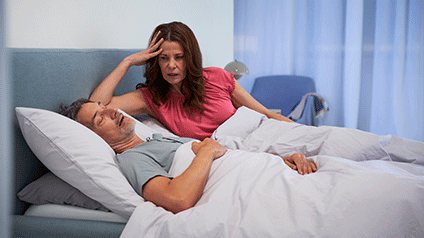
Snoring while sleeping1
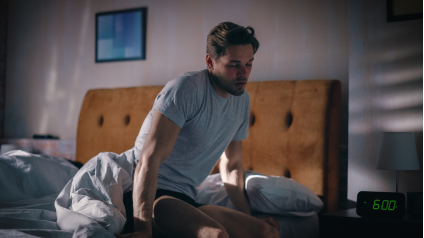
Waking up gasping for air1
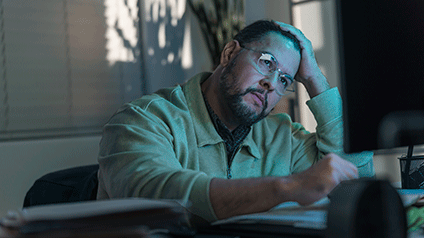
Feeling irritable or moody1
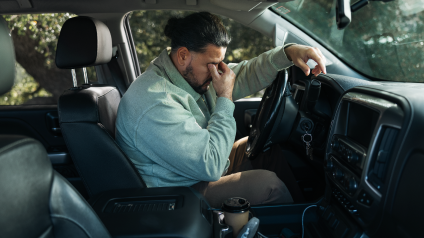
Difficulty concentrating1
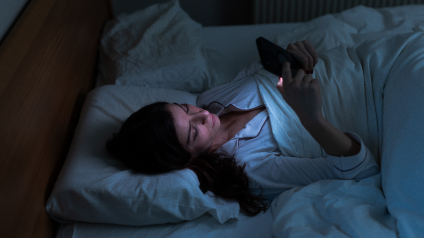
Insomnia1

Online Sleep Assessment
Dive deep with our questionnaire to uncover common sleep issues like obstructive sleep apnea, insomnia, and snoring.
Sleep apnea FAQs
Sleep apnea can lead to pauses in breathing that may last from 10 seconds to over a minute. These pauses can lead to repeated drops in blood oxygen levels.
- Sleep assessment: A 3–5-minute Resmed questionnaire that helps you understand your sleep habits and symptoms. It is NOT intended as a substitute for professional medical advice, diagnosis or treatment.
- Sleep test: A prescribed medical test (either a home sleep test or an in-lab study) that measures your breathing, oxygen levels and sleep patterns to determine if you have sleep apnea.
- Sleep apnea diagnosis: A healthcare provider reviews your sleep-test results and confirms whether you have sleep apnea.
A sleep test is usually recommended after you speak with a doctor about symptoms like snoring, morning headaches or daytime fatigue. Your provider will review your medical history and may suggest either a home sleep test or an in-lab study if they suspect sleep apnea.2
Most insurance plans, including Medicare, may cover sleep tests, doctor visits, and CPAP equipment when medically necessary. You may still have a copay or deductible. Check with your insurance provider to confirm what’s included under your plan or click here to check your insurance now.
Your journey to better sleep starts now
Understand your sleep health and determine if you should consider talking to a healthcare professional.
Disclaimers:
*This assessment does not provide medical advice or medical diagnosis. Consult with your healthcare professional if you are concerned or have questions about your sleep health.
†This testimonial is a genuine and documented account of the individual’s response to treatment. They received compensation for sharing their personal experience with Resmed products. Outcomes and results may vary, and this individual’s response does not provide any indication, warranty, or guarantee that other people will have the same or a similar experience. Talk to your healthcare professional for further information.
References:
- Source: Sleep Foundation. Sleep apnea. https://www.sleepfoundation.org/sleep-apnea. Accessed January 28, 2026.
- Source: Kapur VK, et al. Clinical practice guideline for diagnostic testing for adult obstructive sleep apnea. J Clin Sleep Med. 2017;13(3):479-504. doi:10.5664/jcsm.6506