Quick Takeaways:
- There are two main types of sleep apnea — obstructive and central — each with different causes and treatments.
- Obstructive sleep apnea (OSA) is the most common and happens when relaxed throat muscles block the airway during sleep.
- Central sleep apnea (CSA) occurs when the brain doesn’t send proper signals to control breathing.
- Understanding your specific type of sleep apnea can help you and your doctor choose the best treatment to improve your sleep and overall health.
If you’ve been diagnosed with sleep apnea or you think you might have it, it can be helpful to understand the different types. Each type has its own causes, symptoms and ways of being diagnosed. Understanding each type can give you a better idea of what treatment options might be available. Keep in mind that only a doctor can diagnose sleep apnea, and you’ll want to work with your doctor to determine the best treatment plan for you.
What is sleep apnea?
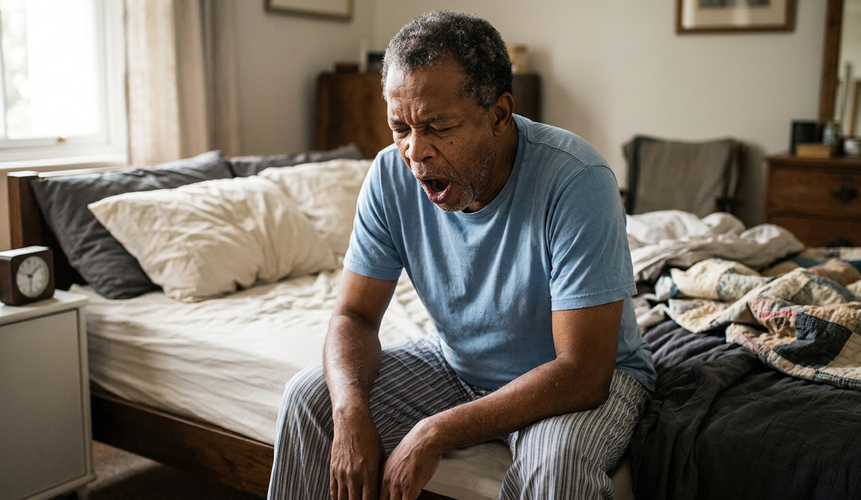
Sleep apnea is a condition where breathing stops and restarts many times throughout the night. These interruptions can make it harder for your body to get enough oxygen. It can cause symptoms such as:1
- Excessive daytime sleepiness
- Morning headaches
- Feeling irritable or moody
- Difficulty concentrating or struggling to feel present during the day
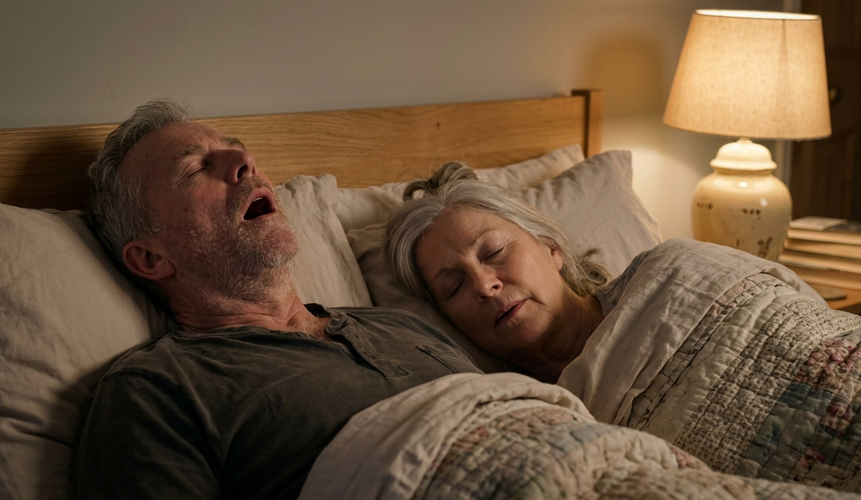
- Snoring or gasping for air while you sleep
There are two main types of sleep apnea:
- Obstructive sleep apnea (OSA)
- Central sleep apnea (CSA)
Because sleep apnea interrupts your sleep, you might feel tired or groggy during the day despite getting more than seven hours of sleep. This can affect your focus, energy levels and quality of life. Over time, untreated sleep apnea can also increase your risk of developing other health issues, such as high blood pressure, heart disease, Type 2 diabetes and eye problems.2 It can also increase the likelihood of workplace errors or traffic accidents.3
How common is obstructive sleep apnea (OSA)?
Obstructive sleep apnea (OSA) is the most common type of sleep apnea. It affects nearly 1 billion people around the world, with 83 million adults in the U.S. living with the condition.4,5
Many people don’t realize they have sleep apnea. In fact, more than 80% of people with obstructive sleep apnea are undiagnosed.8 If you think you might be in this group, talk to your doctor about your sleep. Early diagnosis and treatment can help prevent serious health conditions and improve quality of life.
Obstructive sleep apnea (OSA)
Obstructive sleep apnea (OSA) is a condition where breathing repeatedly slows down or stops during sleep. This typically occurs when the muscles in the back of the throat relax, causing the airway to narrow or collapse for short periods of time. These pauses in breathing can last several seconds and may happen many times per hour. Breathing pauses can reduce oxygen levels and disrupt sleep throughout the night, even if a person doesn’t fully wake up. As a result, people with OSA often feel tired, groggy or less focused during the day.1
OSA symptoms can also be influenced by your sleeping position. For example, you may experience more breathing pauses when lying on your back.33
While OSA is more common in men, anyone can have it. In fact, 202 million women around the world live with this condition.10 Rates of OSA are particularly high among women after menopause.11