How sleep apnea affects military readiness and performance
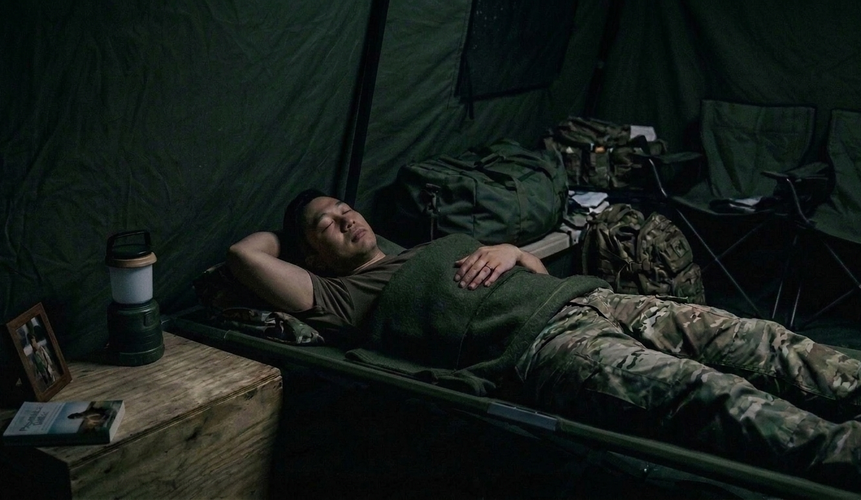
Sleep apnea is a serious medical condition that can affect an individual’s job performance, career opportunities, and overall health. Studies show that sleep-disordered breathing, including obstructive sleep apnea (OSA), is increasingly common among military personnel which may pose unique challenges for the demands of military life.17
Impact on mission effectiveness
Daytime sleepiness, slower reaction times, difficulty concentrating and making quick decisions are among the most common symptoms associated with sleep apnea.26 When an individual’s sleep is constantly interrupted, they can’t achieve restorative rest.2 Poor sleep may influence alertness and focus during high-stakes operations.15 For example, for those handling flight operations, tactical missions or combat situations, the effects of sleep apnea may negatively impact safety and effectiveness.
Fatigue may lead individuals to skip steps in procedures, ignore standard safety checks, or make poor decisions in high-stakes situations. This may contribute to motor vehicle accidents, injuries and operational mishaps.32 Plus, people living with untreated sleep apnea are more likely to use medical services and visit the emergency room.9 Treating sleep apnea can support better health.
Career and assignment impact
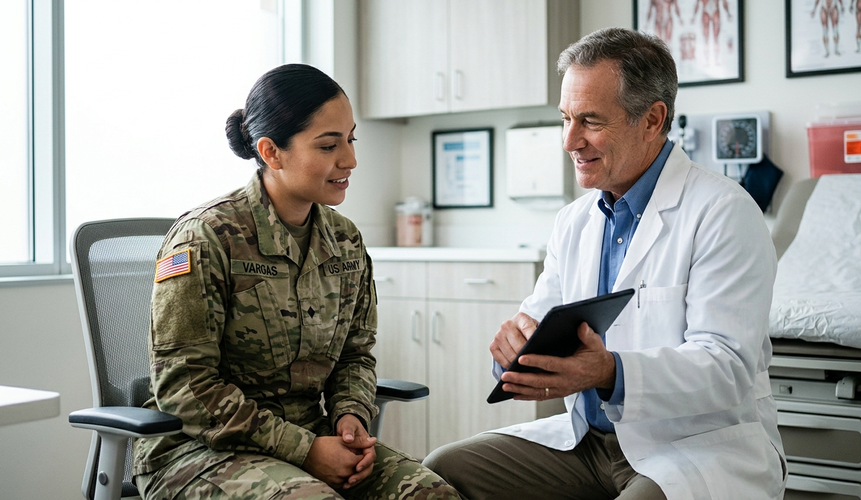
For service members living with moderate to severe sleep apnea, waivers and accommodations may be available.18 The U.S. Department of Defense’s minimum fitness standards require individuals with obstructive sleep apnea to obtain a waiver to deploy. Those who use CPAP machines must prepare necessary replacement equipment and supplies before deploying, including air filters, masks and a rechargeable battery backup.
Other health connections
Obstructive sleep apnea (OSA) often occurs alongside other health conditions that are more widely diagnosed among service members and veterans. For example, military members living with OSA are four times more likely to develop post-traumatic stress disorder (PTSD) than colleagues without OSA.9 Constant sleep disruptions can worsen PTSD symptoms, and PTSD-related hyper alertness and nightmares may make sleep apnea more difficult to manage.33,34
Additionally, traumatic brain injuries (TBI), which are comparatively common among people who’ve served in combat, are associated with an increased risk of developing OSA.20 Because TBI can affect the brain’s ability to regulate breathing patterns,3 an individual may be more likely to experience breathing irregularities. Those living with chronic pain may take opioids, which can also trigger or worsen apnea symptoms.21
Sleep and weight management are also closely linked, and excess weight is one of the strongest risk factors for OSA.22 Unfortunately, untreated OSA may make weight management more difficult by negatively affecting metabolism and hormone regulation.35 This cycle can create additional challenges for military members trying to meet fitness standards.