What can we help you find?
Search for masks, machines, accessories...

Can’t Sleep or Stay Asleep? How OSA and Insomnia Overlap

In this article

    Quick takeaways

    • Insomnia and obstructive sleep apnea (OSA) are common sleep
      disorders. OSA causes repeated breathing pauses during sleep, and
      insomnia involves difficulty falling or staying asleep.
    • Up to 50% of people with OSA also have insomnia. This distinct
      disorder is known as comorbid insomnia and sleep apnea
      (COMISA).1
    • Treating insomnia and sleep apnea together with cognitive
      behavioral therapy for insomnia (CBT-I) and continuous positive airway
      pressure (CPAP) can help improve sleep, mood and overall
      health.1
    • If you’re struggling to sleep or feel tired after a full night’s
      rest, talk to your doctor for professional guidance.

    Understanding sleep apnea and insomnia

    Many people struggle to get a good night’s rest. Nearly 48% have
    difficulty falling asleep, men are experiencing a similar trend at
    42%.21

    Chronic insomnia and obstructive sleep apnea (OSA) are two of the
    most common sleep disorders, each affecting between 5%- 20% of the
    population.1 Some people experience both conditions at the
    same time, which can make treatment more complex. Learning about the
    causes and symptoms of these disorders and how they overlap may help
    guide conversations with your doctor and your treatment options.

    This article is for educational purposes only and is not a
    substitute for medical advice. If you have trouble sleeping or suspect
    sleep apnea, talk to your doctor about testing and treatment
    options.

    What is obstructive sleep apnea (OSA)?

    Sleep apnea is a condition where breathing stops and restarts many
    times while you sleep, making it harder for your body to get enough
    oxygen.2

    The most common type of sleep apnea is obstructive sleep apnea, where
    the muscles around the throat relax to the point of collapse. This
    blockage restricts airflow during sleep. Breathing may become shallow or
    stop for seconds to minutes at a time.

    These breathing pauses cause you to wake up, preventing restorative
    sleep. OSA can lead to symptoms such as:

    • Excessive daytime sleepiness
    • Morning headaches
    • Irritability
    • Difficulty concentrating
    • Inability to feel present during the day
    • Snoring or gasping for air while you sleep

    What is insomnia?

    Insomnia is a sleep condition that makes it difficult to fall or stay
    asleep. If you have insomnia, you might:3

    • Lie in bed for a long time before falling asleep.
    • Wake during the night and have trouble going back to
      sleep.
    • Wake up too early in the morning.

    Two types of insomnia exist: short-term and long-term.3
    Short-term insomnia may resolve itself after a few days or weeks. It’s
    typically caused by stress or your environment. For example, you might
    have trouble sleeping because you’re worried about a friend or are
    traveling and away from home. Your doctor may diagnose long-term
    insomnia (also referred to as chronic insomnia) if you have trouble
    sleeping for at least 3 nights a week for more than 3 months, without an
    apparent cause.

    Insomnia can affect your quality of life. Because you’re not waking
    up refreshed, you may experience symptoms such as: 3

    • Fatigue
    • Low mood
    • Memory problems
    • Difficulty focusing
    • Anxiety
    • Depression

    If left untreated, chronic insomnia can lead to health problems and
    increase your risk of heart disease, high blood pressure, diabetes and
    cancer.3
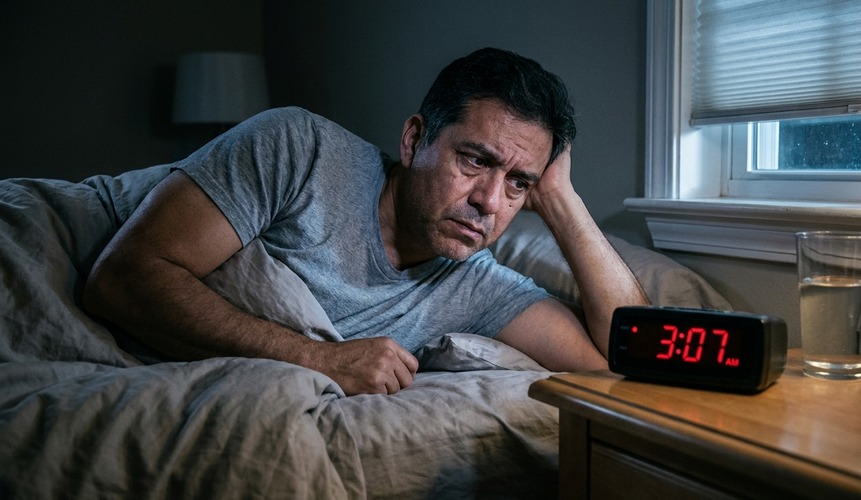
    How OSA and insomnia differ

    When you spend your days tired and on edge, it can be hard to know if
    this is caused by a sleep disorder such as insomnia or obstructive sleep
    apnea (OSA). However, understanding the difference between the
    conditions can help.

    • Insomnia is characterized by difficulty falling or staying
      asleep, while OSA is characterized by breathing pauses during sleep that
      cause you to wake up.
    • Insomnia may be caused by stress, environmental factors, life
      events and health problems. OSA, on the other hand, results from the
      airway repeatedly narrowing or collapsing during sleep.
    • If you are living with OSA, you may wake up during the night,
      feel tired during the day, or find it difficult to concentrate — all of
      which can mimic symptoms of insomnia. If this happens to you, talk to
      your doctor.

    Your doctor may recommend a sleep test, an overnight study used to
    determine if you have a sleep condition.4 It provides a
    picture of your health by collecting information such as oxygen levels,
    heart rate, brain waves and breathing patterns while you sleep. Your
    doctor can use this information to help determine if you have a sleep
    disorder, and the results may explain why you’re not waking
    refreshed.

    Some people experience OSA and insomnia at the same time. About
    30-50% of people with OSA also have insomnia symptoms.1 This
    condition is known as comorbid insomnia and sleep apnea syndrome
    (COMISA). COMISA isn’t just having two sleep disorders at the same time.
    It’s a condition where the two conditions affect each other, often
    making symptoms worse and impacting mood and daytime functioning.

    The two conditions reinforce each other, creating a continuous loop.
    Sleep apnea may contribute to worsening insomnia symptoms.
    1,5 The repeated breathing pauses can wake you up and may
    train the brain to be more alert at night. Consecutive nights of sleep
    loss from insomnia may affect your nervous system and breathing control,
    which can make OSA symptoms worse. A specialized treatment plan may help
    you manage both conditions and reduce their impact over time.

    Why COMISA affects more than your sleep

    People living with COMISA tend to experience more intense symptoms
    than those who have either obstructive sleep apnea (OSA) or
    insomnia.6 Compared to people living with one condition,
    people with COMISA generally experience worse:

    • Mental health
    • Physical health
    • Daytime functioning
    • Memory and concentration
    • Sleep disturbances
    • Quality of life

    Without the right care, COMISA can have significant health effects,
    including increased risk of depression, anxiety, hypertension and
    stroke.6 Fortunately, research suggests that early diagnosis
    and a treatment approach targeting both OSA and insomnia can help
    improve sleep quality, mood and overall well-being for people with
    COMISA.6

    How doctors diagnose obstructive sleep apnea and insomnia

    Before your doctor can help treat your symptoms, you need an accurate
    diagnosis. Insomnia and obstructive sleep apnea (OSA) have distinct
    treatments, so pinpointing the source of your sleep problems can help
    guide appropriate treatment.

    Recognizing symptoms

    Begin by tracking your symptoms so you can discuss them with your
    doctor. Symptoms that result from lack of quality sleep, such as daytime
    sleepiness, low mood and difficulty focusing, are common in people
    living with both insomnia and OSA.

    Signs that are more likely to indicate OSA are related to reduced
    airflow during sleep. These include:

    • Frequent snoring that disrupts your bed partner.
    • Gasping or choking for air while you sleep.

    People with insomnia typically have trouble falling and staying
    asleep. They may:

    • Toss and turn because of racing thoughts or
      worries.7
    • Sleep only for short periods.
    • Stay awake for a long time after climbing into bed.

    How doctors diagnose obstructive sleep apnea and insomnia

    A health care professional can use various methods to narrow down the
    cause of your sleeping challenges. In addition to discussing your
    symptoms, your doctor may ask questions about your health history or
    order a sleep test.

    Sleep diary

    You may be asked to keep a sleep diary to give your doctor a clearer
    picture of your daytime routine and sleep habits. A sleep diary is a
    daily record of:8

    • When you go to bed
    • How long it takes to fall asleep
    • The number of times you wake up during the night
    • The time you wake up in the morning

    You can also track how you feel when you wake up, daytime sleepiness,
    exercise, naps and caffeine, or alcohol intake. This information helps
    your doctor identify patterns in your sleep routine that may indicate
    insomnia.

    Actigraphy

    Another tool for diagnosing insomnia is actigraphy, which involves
    wearing a small device on your wrist for up to 14 days.9 The
    device collects information about your movements and the quality of your
    sleep.

    Sleep test

    Since some symptoms of insomnia overlap with those of sleep apnea,
    your doctor may also recommend a sleep test. Only a sleep study can
    confirm a diagnosis of sleep apnea.4

    Your doctor may recommend:

    • A home sleep apnea test (HST) if you’re showing
      symptoms of a sleep disorder and haven’t been diagnosed with any other
      chronic medical conditions. This test is completed from the comfort of
      your own bed.
    • An in-lab sleep test, or polysomnogram (PSG), if
      you have a complex medical history and need comprehensive sleep
      monitoring. These tests usually take place overnight in a sleep lab,
      where a trained technician monitors your sleep.

    Treatment options for sleep apnea and insomnia

    Once you’ve identified the reasons you’re not sleeping well, you can
    work with your doctor to manage your symptoms. Your treatment plan
    should be based on whether you have obstructive sleep apnea (OSA) or
    insomnia and the condition’s severity.

    CPAP therapy for sleep apnea

    Continuous positive airway pressure (CPAP) is a device that delivers
    mild air pressure to keep your breathing airways open while you
    sleep.10 It is highly effective and is the most used and
    understood method for treating sleep apnea.11 When used as
    directed, it can help alleviate OSA symptoms after the first night of
    use. 12

    Consistent CPAP use can help restore deep, uninterrupted sleep and
    may reduce insomnia symptoms over time. In one study, people with severe
    OSA reported improvements in daily functioning, reduced daytime
    sleepiness, and emotional well-being after 1 month of CPAP
    use.13

    Cognitive behavioral therapy for insomnia

    Cognitive behavioral therapy for insomnia (CBT-I) is a first-line
    treatment for insomnia.14 This therapy may help people build
    habits that support and promote natural sleep patterns, helping deliver
    sleep improvements even after treatment ends.15

    A standard CBT-I program consists of six to eight weeks of treatment
    sessions. Some of the tools you learn include:16

    • Reframing how you think about sleep. Instead of
      dwelling on how tired you’ll be if you don’t fall asleep, you assure
      yourself that even if your sleep isn’t perfect now, you’ll soon
      progress. This eases some of the stress that can build up around
      sleep.
    • Developing good sleep habits. Modifying your
      lifestyle and environment can promote better sleep. You might set a
      regular sleep/wake schedule, reduce screen time before bed and expose
      yourself to light in the morning to adjust your circadian
      rhythms.
    • Limiting the amount of time you spend in bed.
      Instead of staying in bed late because you didn’t sleep well, sleep
      restriction therapy keeps you on a schedule. You may be tired
      short-term, but eventually you’ll be able to fall asleep
      quicker.
    • Using your bed only for sleeping. Also known as
      stimulus control therapy, this technique helps you associate your bed
      with sleep instead of wakefulness.

    Combined treatment approach

    Combining continuous positive airway pressure (CPAP) therapy and
    CBT-I can be especially helpful if you have comorbid insomnia and sleep
    apnea (COMISA). This blended approach addresses the:

    • Physical aspects of obstructive sleep apnea (OSA), reducing
      breathing pauses.
    • Psychological aspects of insomnia, helping you fall and stay
      asleep.

    Treating OSA with CPAP can help reduce insomnia symptoms by 20-50% in
    people who have COMISA.1 That’s why a combined approach is
    important. Research suggests that treating insomnia through CBT-I can
    make using CPAP a more positive experience and help you stick with your
    treatment plan.1

    Managing insomnia and obstructive sleep apnea long-term

    Treatment isn’t a one-time fix when you’re dealing with sleep
    disorders. The key to consistent, quality sleep is consistent management
    and care. Even though your symptoms may improve during treatment, it’s
    important to maintain healthy habits over time.

    Lifestyle and self-care strategies

    In addition to following your treatment plan, be aware of how your
    daily routine can impact sleep quality. Consider laying the foundation
    for quality sleep by changing how you do things. Some healthy sleep
    habits include:17

    • Waking up around the same time every day, even on
      weekends
    • Getting exercise every day, but not too close to bedtime
    • Creating a relaxing bedtime routine that may include journaling
      and quiet music.
    • Avoiding bright, artificial light close to bedtime, such as your
      phone or computer screen
    • Practicing mindfulness and relaxation techniques to prevent
      racing thoughts at night
    • Using blackout curtains to darken your bedroom
    • Maintaining a cool temperature in your room that makes it
      comfortable to sleep
    • Avoiding caffeine, alcohol and other stimulants in the late
      afternoon or evening
    • Refraining from eating heavy meals or spicy food close to bedtime
      to avoid digestive discomfort

    If you have obstructive sleep apnea (OSA), certain lifestyle changes
    may reduce upper airway inflammation and collapse and help you breathe
    better at night.18 These strategies include:

    • Maintaining a healthy weight
    • Limiting alcohol and sedatives that relax the airways
    • Quitting smoking
    • Changing your sleep position
    • Managing allergies19
    • Practicing myofunctional therapy with a certified professional to
      strengthen the tongue, mouth and jaw muscles20

    Ongoing monitoring

    Your sleep quality can change over time depending on your lifestyle
    and health. Do your best to monitor your treatments to catch and respond
    to problems early. Sometimes, it just takes a little fine-tuning to get
    things back on track.

    If your doctor prescribes continuous positive airway pressure (CPAP)
    for obstructive sleep apnea, make sure you’re using your CPAP device
    consistently. Some machines have built-in technology to monitor sleep
    settings and help your doctor spot sleep disruptions early. If you start
    tossing and turning at night again, review your cognitive behavioral
    therapy for insomnia (CBT-I) techniques and continue to practice
    them.

    Track your symptom severity and schedule regular follow-up
    appointments with your doctor. They can help identify what’s working and
    recommend an appropriate adjustment to your treatment.

    Get support for your sleep challenges today

    Deep, restorative sleep is an important part of living a healthy life. If you’re finding it tough to get a good night’s rest, learn more about your sleep habits. Take the sleep assessment and discuss the results with your doctor.

    References:

    1. Source: Sweetman, A. Co-morbid Insomnia and Sleep Apnoea (COMISA): Latest
      Research from an Emerging Field. Curr Sleep Medicine Rep 9, 180–189
      (2023). https://doi.org/10.1007/s40675-023-00262-9
    2. Source: National Heart, Lung, and Blood Institute. Sleep apnea – what is
      sleep apnea? NHLBI, NIH. https://www.nhlbi.nih.gov/health/sleep-apnea
    3. Source: Insomnia—Symptoms | nhlbi, nih. (2022, March 24). https://www.nhlbi.nih.gov/health/insomnia/symptoms
    4. Source: Kapur VK, Auckley DH, Chowdhuri S, et al. Clinical Practice
      Guideline for Diagnostic Testing for Adult Obstructive Sleep Apnea: An
      American Academy of Sleep Medicine Clinical Practice Guideline. J Clin
      Sleep Med. 2017;13(3):479-504. Published 2017 Mar 15. https://pubmed.ncbi.nlm.nih.gov/28162150/
    5. Source: Cruz, M. M. e, & Sweetman, A. (2025). Comorbid insomnia and
      sleep apnea: From research to clinical practice. Seminars in Respiratory
      and Critical Care Medicine, 46, 113–124. https://doi.org/10.1055/a-2591-5664
    6. Source: Popovici C, Steiropoulos P, Mihaicuta S, et al. The Hidden Burden
      of COMISA: Clinical Implications and Treatment Challenges. Pulm Ther.
      2026;12(1):25-38. https://pubmed.ncbi.nlm.nih.gov/41219669/
    7. Source: Weiner L, Martz E, Kilic-Huck Ü, et al. Investigating racing
      thoughts in insomnia: A neglected piece of the mood-sleep puzzle?. Compr
      Psychiatry. 2021;111:152271. https://pubmed.ncbi.nlm.nih.gov/34555554/
    8. Source: Carney CE, Buysse DJ, Ancoli-Israel S, et al. The consensus sleep
      diary: standardizing prospective sleep self-monitoring. Sleep.
      2012;35(2):287-302. Published 2012 Feb 1. https://pubmed.ncbi.nlm.nih.gov/22294820/
    9. Source: What is actigraphy? (n.d.). Cleveland Clinic. Retrieved August 4,
      2026, from https://my.clevelandclinic.org/health/drugs/25196-actigraphy
    10. Source: Cpap—Cpap | nhlbi, nih. (2022, March 24). https://www.nhlbi.nih.gov/health/cpap
    11. Source: Understanding pap | sleep medicine. (n.d.). Retrieved August 4,
      2026, from https://sleep.hms.harvard.edu/education-training/public-education/sleep-and-health-education-program/sleep-health-education-37
    12. Source: Before and after cpap: How your body changes. (2022, October 27).
      Sleep Foundation. https://www.sleepfoundation.org/cpap/before-and-after-cpap-machine-body-changes
    13. Source: Milinovic K, Pavlinac Dodig I, Lusic Kalcina L, et al. Adherence
      to CPAP Therapy in Obstructive Sleep Apnea: A Prospective Study on
      Quality of Life and Determinants of Use. Eur J Investig Health Psychol
      Educ. 2024;14(9):2463-2475. Published 2024 Aug 27. https://pmc.ncbi.nlm.nih.gov/articles/PMC11431498/#sec4-ejihpe-14-00163
    14. Source: Muench A, Vargas I, Grandner MA, et al. We know CBT-I works, now
      what?. Fac Rev. 2022;11:4. Published 2022 Feb 1. https://pmc.ncbi.nlm.nih.gov/articles/PMC8808745/
    15. Source: Rossman J. Cognitive-Behavioral Therapy for Insomnia: An
      Effective and Underutilized Treatment for Insomnia. Am J Lifestyle Med.
      2019;13(6):544-547. Published 2019 Aug 12. https://pmc.ncbi.nlm.nih.gov/articles/PMC6796223/
    16. Source: Insomnia—Treatment | nhlbi, nih. (2022, March 24). https://www.nhlbi.nih.gov/health/insomnia/treatment
    17. Source: Sleep disorders and problems (Insomnia): Learn More – What can
      you do if you have trouble sleeping? (2024). In InformedHealth.org
      [Internet]. Institute for Quality and Efficiency in Health Care (IQWiG).
      https://www.ncbi.nlm.nih.gov/books/NBK279320/
    18. Source: Kaleelullah RA, Nagarajan PP. Cultivating Lifestyle
      Transformations in Obstructive Sleep Apnea. Cureus. 2021;13(1):e12927.
      Published 2021 Jan 26. https://pmc.ncbi.nlm.nih.gov/articles/PMC7920220/
    19. Source: Zheng, M., Wang, X., Ge, S., Gu, Y., Ding, X., Zhang, Y., Ye, J.,
      & Zhang, L. (2017). Allergic and non-allergic rhinitis are common in
      obstructive sleep apnea but not associated with disease severity.
      Journal of Clinical Sleep Medicine, 13(8), 959–966. https://doi.org/10.5664/jcsm.6694
    20. Source: Camacho M, Certal V, Abdullatif J, et al. Myofunctional Therapy
      to Treat Obstructive Sleep Apnea: A Systematic Review and Meta-analysis.
      Sleep. 2015;38(5):669-675. Published 2015 May 1. https://pmc.ncbi.nlm.nih.gov/articles/PMC4402674/
    21. Source: https://sleepsurvey.resmed.com/

    Stay in the know

    The first name field is required

    The last name field is required

    The email field is required

    Wrong email format

    Please select a Country

    Please make a selection, this field is required