Quick takeaways
- Sleep apnea can make you feel sleepy and fatigued because it can interrupt your sleep throughout the night.
- These interruptions can keep you from getting deep sleep that helps your body and mind recharge, even if you don’t remember waking up.
- Ongoing sleep disruption can lead to daytime sleepiness, low energy and trouble focusing.
- Treating sleep apnea may help improve your energy and sleep quality over time.
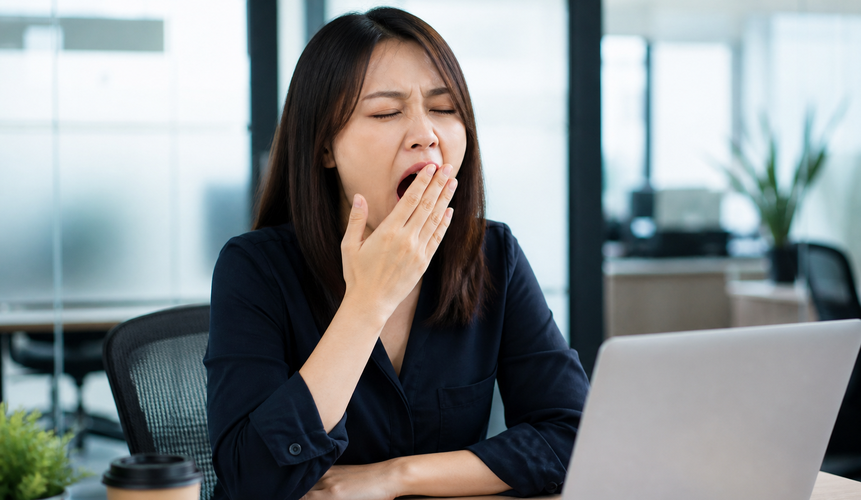
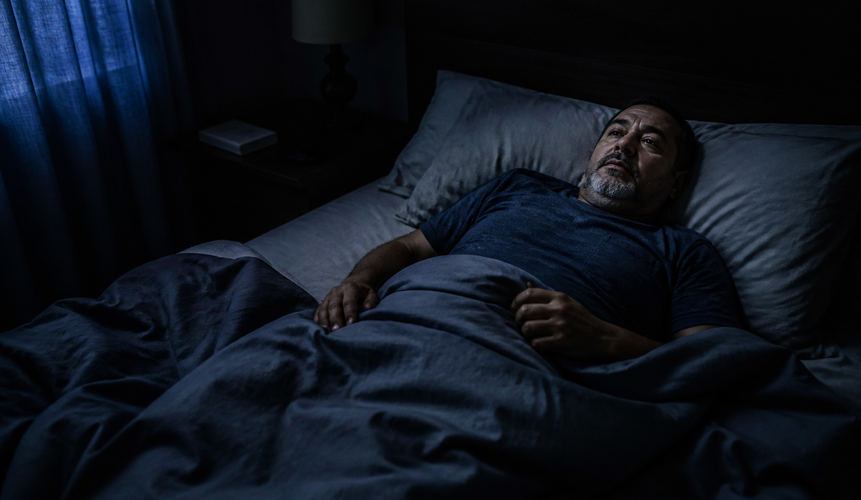
Feeling sleepy all day can be frustrating and impact everything you do. You may be getting what seems like a full night of sleep but still wake up feeling barely rested. Sleep apnea could be a possible reason for daytime sleepiness.
When pauses in your breathing interrupt your sleep over and over, your body can miss out on the deeper stages of sleep that help you feel refreshed. Exploring the cause of your fatigue could help you get the rest you need.
What is sleep apnea?
Sleep apnea is a condition where breathing stops and restarts many times throughout the night.1 These interruptions can make it harder for your body to get enough oxygen.
There are different types of sleep apnea:1
- Obstructive sleep apnea (OSA) is a condition where your upper airway becomes blocked repeatedly during sleep, making it harder for air to flow. These blockages can reduce or completely stop the flow of air, causing your breathing to pause throughout the night.
- Central sleep apnea (CSA) is a condition in which the brain doesn’t send signals to the muscles that control breathing, causing breathing to pause during sleep.
Over a billion people worldwide are impacted by obstructive sleep apnea.2 Obstructive sleep apnea is the most common form, so it comes up more often in conversations and online searches, while CSA is less common.
Both types of sleep apnea can cause various symptoms. People may experience:3
- Excessive daytime sleepiness
- Morning headaches
- Feeling irritable or moody
- Difficulty concentrating, struggling to feel present during the day
- Snoring or gasping for air while you sleep
The connection between sleep apnea and sleepiness
Daytime sleepiness from sleep apnea doesn’t always feel like you just stayed up too late. It can feel like you’re moving through your day in a fog, even when you’re trying hard to focus.
How sleep apnea disrupts sleep
Even when you’re asleep, your body is still active. Your brain cycles through lighter sleep and deeper sleep. Each stage of sleep plays a role in how rested you feel the next day.
OSA is the most common form of sleep apnea. It causes your throat muscles to relax and your airway to narrow during sleep. This blockage can reduce or stop airflow. On the other hand, CSA pauses breathing because the brain doesn’t send the signal to breathe. Breathing stops even though there isn’t an airway blockage.
In both cases, your brain may briefly “nudge” you toward lighter sleep so your breathing can restart. These brief wake-ups can happen so fast that you don’t remember them in the morning. Over time, the constant stop-start pattern can break up your sleep and reduce the amount of deep, restorative sleep you get.
Breathing interruptions from sleep apnea may last from 10 seconds to over a minute.4 These pauses can prevent your organs from getting oxygen.
But what does that look like over the course of the night? For example, someone with moderate OSA may experience up to 29 breathing pauses an hour.4 Over a typical eight-hour night, their breathing may pause as many as 232 times.
The number of times a person’s breathing slows or stops each hour while asleep is measured on the apnea–hypopnea index (AHI).5 Your AHI score helps you and your doctor understand the severity of your sleep apnea. Generally, a higher AHI means more frequent breathing interruptions during the night and more severe sleep apnea.
Research shows that people with obstructive sleep apnea (OSA) often feel excessively tired during the day because their sleep is interrupted many times throughout the night.6