Can Surgery Fix Sleep Apnea? Exploring Your Options | Resmed
What can we help you find?
Search for masks, machines, accessories...

Can Surgery Fix Sleep Apnea? Exploring Your Options

Sleep health Long-term Seeking care Sleep health Sleep issues Snoring

Can Surgery Fix Sleep Apnea? Exploring Your Options

Quick Takeaways:

  • Surgery isn’t usually the first treatment option for sleep apnea. Most people start with CPAP therapy or an oral appliance to keep the airway open during sleep.
  • For some, surgery may help when other treatments aren’t successful. It may help improve airflow by removing or repositioning tissue that blocks the airway.
  • Different surgeries target different areas — such as the nose, throat or tongue — depending on what’s causing the blockage.
  • Talk with your doctor about the benefits, risks, and recovery process to see if surgery is the right fit for you.

If you have been diagnosed with sleep apnea, you might be curious about your treatment options.

Continuous positive airway pressure (CPAP) therapy delivers mild air pressure to keep your breathing airways open while you sleep.23 CPAP therapy is highly effective and is the most used and understood method for treating obstructive sleep apnea (OSA).24 OSA is a condition where your upper airway becomes blocked repeatedly during sleep, making it harder for air to flow. These blockages can reduce or completely stop the flow of air, causing your breathing to pause throughout the night.25

If CPAP therapy isn’t a good fit, another treatment approach is an oral appliance. Oral appliances for sleep apnea can help keep your airway open by shifting the lower jaw forward while you sleep.

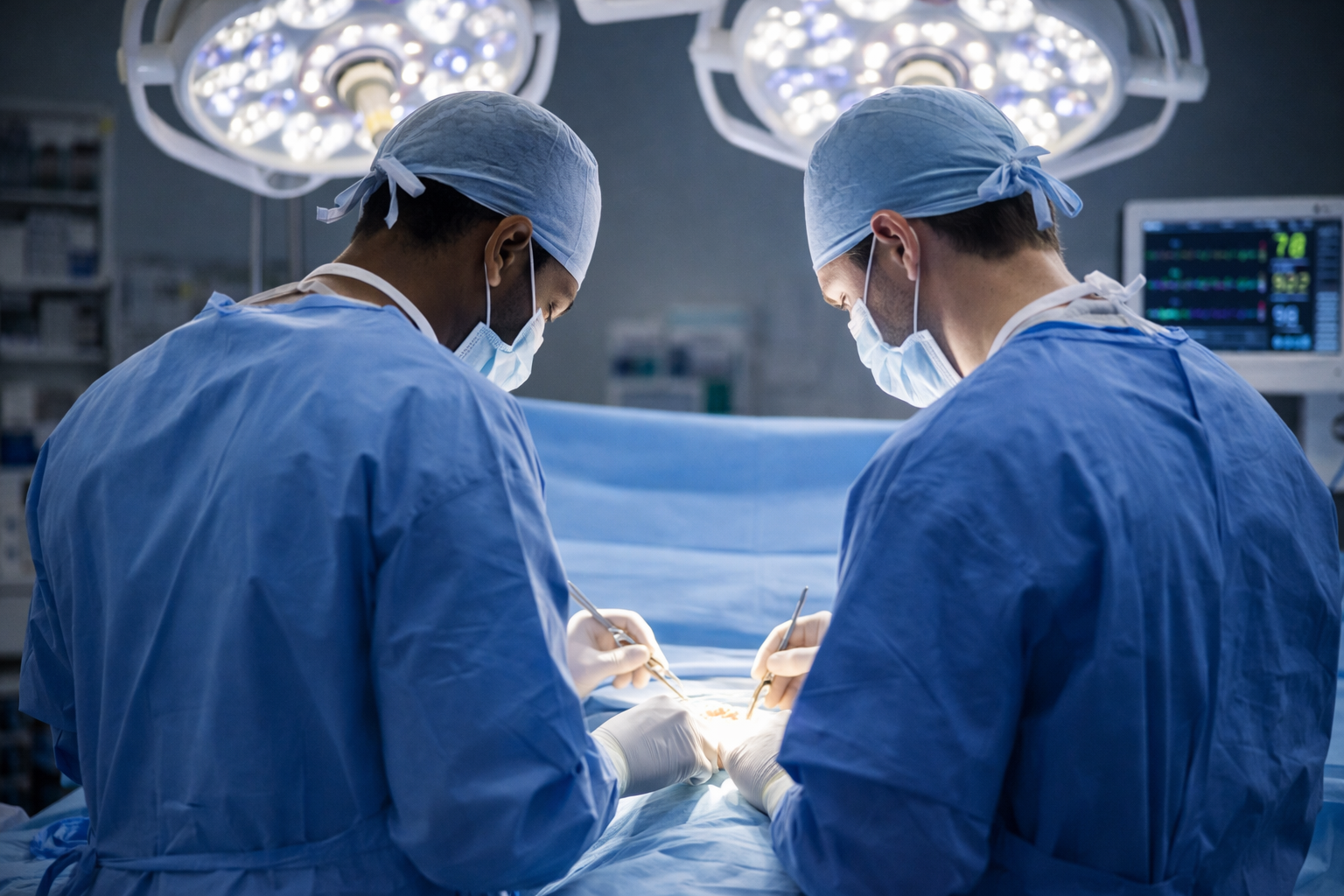
If neither of these treatment options work for you, your doctor may recommend surgery. Multiple surgical techniques can be used to treat obstructive sleep apnea, each of which is covered in more detail below.

Understanding surgical interventions for sleep apnea

While it’s not usually the first choice, surgery for OSA may be considered when other, less invasive options haven’t provided enough benefit. Here are some things to consider about sleep apnea surgery.

What is sleep apnea surgery?

Sleep apnea surgery aims to improve airflow by addressing areas that may block the airway during sleep. Depending on the approach, this may include the nose, soft palate, tongue or throat. Surgery may help clear blockages, increase airway size or reduce tissue collapse to help support breathing during sleep.

CPAP is widely recognized as the most recommended type of therapy for people with OSA, including individuals with more than one condition impacting their health (also known as comorbidities). Surgery is typically only recommended when CPAP therapy or other treatments have not provided enough benefit or comfort. Anyone considering surgery for obstructive sleep apnea should talk to a sleep specialist to determine if they are a good candidate and to weigh the risks and benefits.

Selection and evaluation

Different types of tests may be used to help decide whether sleep apnea surgery is appropriate and to plan the best approach. These tests may include:2

  • Physical examination to identify any blockages in the airway
  • Overnight sleep test to confirm sleep apnea diagnosis and severity
  • Drug-induced sleep endoscopy (DISE), in which a doctor uses a tiny camera to look at your airways while you’re in a sleep-like state
  • Assessment of body mass index (BMI) and other conditions that might affect whether you’re a good candidate for surgery
The role surgery plays in sleep apnea treatment

When it comes to treating obstructive sleep apnea (OSA), continuous positive airway pressure (CPAP) is typically the first choice, followed by oral appliances. Sleep apnea surgery is generally considered a last resort option.1

If you are considering surgery, it can be important to remember that, while surgical procedures can provide relief for some people, they are not universally effective. Often, surgery options depend on individual body structure and OSA severity. That said, surgery may be successful in one person but not another.26

Surgery may not eliminate OSA, and other therapies and management approaches may still be needed after surgery. If you are considering sleep apnea surgery, talk to your doctor about success rates and the potential need for multiple procedures.

 uppp surgery
Surgical procedures for sleep apnea

Surgeries for OSA focus on different parts of the upper airway — generally the nose, mouth and throat. Here are some of the options.

Nasal and sinus procedures

For some people, blockages in the nose and sinuses may contribute to OSA. Procedures to help address these obstructions include:3

  • Septoplasty to correct a deviated septum (when the wall between your nostrils is off-center, which can make breathing difficult).
  • Turbinate reduction to shrink swollen tissue inside your nose, which improves nasal airflow and helps you breathe easier.
  • Nasal valve surgery to strengthen the narrowest part of your nasal airway, preventing it from collapsing when you breathe in through your nose.
  • Sinus procedures to treat and reduce symptoms of chronic sinusitis (inflammation in the sinuses that makes it hard to breathe through your nose).

These procedures may be performed in combination with other surgeries to make CPAP more comfortable and easier to use. In fact, in one study, nearly every participant’s experience with CPAP improved after having nasal and sinus procedures.3

Palate and pharyngeal procedures

Other OSA surgeries focus on the roof of the mouth (palate) or the part of the throat behind the mouth and nose (pharynx). Most of these procedures aim to improve and open the airway, making it easier to breathe.

Uvulopalatopharyngoplasty (UPPP)

Uvulopalatopharyngoplasty (UPPP) is the most common sleep surgical procedure in the world.2 It can involve reshaping the muscles in the palate or removing excess tissue from the soft palate, pharynx or uvula.

In the modern approach to UPPP, surgeons tailor treatment to each person’s needs to improve results and reduce complications.2 For example, if the sides of your throat tend to collapse, a lateral pharyngoplasty can be done to reshape those muscles. Alternatively, an expansion sphincter pharyngoplasty could be used to rotate a muscle to address the collapse.27

Palate implants and minimally invasive options

Implants, small devices, and other minimally invasive procedures are also options. These can include:

  • A pillar procedure, which uses implants to stiffen the soft palate.
  • Radiofrequency ablation of the soft palate to reduce tissue volume.
  • Laser-assisted uvulopalatoplasty (LAUP) for mild cases.

One study explored the effectiveness of the pillar procedure for people with sleep apnea. In the study:4

  • 36.7% of people experienced fewer nights of snoring.
  • 73.3% reported a reduction in how loud they snored.
  • 33.3% noted less daytime sleepiness.

Because no tissue is removed during this procedure, recovery is relatively quick, and individuals may experience less pain than other methods.

Radiofrequency ablation uses radio waves to shrink tissues in the airway, alleviating blockages. It can be done in a doctor’s office with local anesthesia and may be minimally painful. Studies have found this procedure to be effective, with some research suggesting that 51% of people had a complete response at a 6-month follow-up,5 meaning their symptoms improved or went away completely.

During a laser-assisted uvulopalatoplasty (LAUP) procedure, a laser is used to shorten the uvula and remove excess tissue from the soft palate. Though recovery from this procedure can be quick, some research has found that it is minimally effective. One study found LAUP to only yield a cure rate of 8%.6

Tongue-based procedures

Another area of focus for obstructive sleep apnea (OSA) surgeries is the tongue. If the tongue is too large or positioned in a particular way, it can block the airway when someone is lying down. These procedures aim to correct that.

Tongue reduction techniques

Multiple options are available for reducing the size of the tongue, including:28

  • Radiofrequency ablation, which uses radio waves to shrink the tissue at the base of the tongue.
  • Transoral robotic surgery (TORS), which uses a robot arm to assist in accessing and treating hard-to-reach tissues in the back of the throat.
  • Midline glossectomy, which reduces the volume of the tongue by removing tissue using a special tool called a plasma wand.

Tongue advancement and stabilization

Rather than reducing the size of the tongue, the following procedures focus on positioning it to prevent blockages.

  • Genioglossus advancement to reposition the tongue base, where the muscle attached to the lower jaw is pulled forward to reduce the likelihood of tongue collapse during sleep.29
  • Hyoid suspension, which uses two small screws inserted into the jaw and a suture inserted into the hyoid bone to stabilize the airway and pull the jaw forward.7
  • Tongue suspension procedures using sutures or implants to prevent the tongue from falling backward and blocking the airway during sleep.30
  • Combination approaches for blockages in multiple areas of the airway.
Skeletal procedures

Skeletal procedures focus on the jaw and other bones in the face to treat obstructive sleep apnea (OSA).

Maxillomandibular advancement (MMA)

Maxillomandibular advancement (MMA) involves moving the upper and lower jaws forward about 10 mm. On the plus side, MMA delivers high success rates. In fact, one study suggests it may reduce nighttime breathing issues by up to 83%.8 On the other hand, it comes with orthodontic considerations, significant facial changes and an extended recovery.

 surgery recovery

Other skeletal interventions

Other skeletal interventions include:

  • Distraction osteogenesis techniques. In this procedure, a surgeon separates a bone to create space. The body then naturally fills the space with new bone as it heals. For people with OSA, this procedure can help reshape the airway and reduce breathing interruptions during sleep.
  • Counterclockwise rotation of the maxillomandibular complex. Similar to the MMA procedure, this procedure moves both the upper and lower jaws forward and slightly rotates them. The adjustments help open the airway, allowing for better breathing during sleep.31

People with unique craniofacial abnormalities may need an individualized, carefully planned approach with a team of doctors to manage OSA with skeletal procedures.

Hypoglossal nerve stimulation

Hypoglossal nerve stimulation is a procedure in which a small device is implanted into the neck or chest. The device sends signals to the hypoglossal nerve, a motor nerve that controls the tongue. Doing so helps move the tongue forward during sleep, so it doesn’t block the airway.

Candidates must be at least 18 years old, have moderate to severe sleep apnea, and have tried CPAP therapy without success. They also must not have complete collapse of the soft palate.9

Research has found this to be an effective option, significantly reducing breathing pauses in both the short- and long-term.10

Tracheostomy

A tracheostomy is a procedure that bypasses the upper airway. A surgeon creates a permanent opening into the trachea and inserts a tube into the opening. This allows breathing to occur through the trachea, bypassing the upper airway.

It is generally only used for severe or life-threatening cases or when other options fail.11 While effective, it can have significant life impacts and potential complications.12

Considerations and treatment results
Effectiveness and success metrics

Talk to your doctor about how the success of each procedure is evaluated. In many cases, this includes the apnea-hypopnea index (AHI), which measures how often breathing pauses occur per hour.13

Success rates vary depending on BMI, age, anatomy and severity. Long-term outcomes can also vary, though some studies show stable improvements over time.14

Risks and complications

Risks can include bleeding, infection and speech changes. Procedures requiring general anesthesia carry additional risks, especially for people with OSA.15

Recovery expectations

Recovery time varies widely. Septoplasty may take 3–10 days,16 while MMA may require 4–6 weeks.17

Dietary changes, pain management and follow-up sleep studies may all be part of recovery.

Special populations and considerations
  • Children: Adenotonsillectomy is often effective.18
  • Older adults: Should weigh benefits vs. risks.19
  • High BMI: Increased surgical risks.20
  • Craniofacial differences: May require specialized care.21
  • Multiple comorbidities: Individualized evaluation needed.22

If you’re interested in learning more about your sleep, take our sleep assessment and discuss the results with your doctor.

References:

  1. Source: Obstructive Sleep Apnea StatPearls 2025 National Library of Medicine https://www.ncbi.nlm.nih.gov/books/NBK459252/
  2. Source: Surgical Algorithm for Obstructive Sleep Apnea An Update 2020 National Library of Medicine https://pmc.ncbi.nlm.nih.gov/articles/PMC7435437/
  3. Source: The Role of Isolated Nasal Surgery in Obstructive Sleep Apnea Therapy 2022 National Library of Medicine https://pmc.ncbi.nlm.nih.gov/articles/PMC9688553/
  4. Source: Efficacy of Pillar Implants to Reduce Snoring and Daytime Sleepiness 2021 National Library of Medicine https://pmc.ncbi.nlm.nih.gov/articles/PMC8147739/
  5. Source: Office Based Multilevel Radiofrequency Ablation for Mild to Moderate OSA 2023 National Library of Medicine https://pmc.ncbi.nlm.nih.gov/articles/PMC10046721/
  6. Source: Laser Assisted Uvulopalatoplasty Systematic Review 2017 Oxford Academic https://academic.oup.com/sleep/article-abstract/40/3/zsx004/2996605
  7. Source: Hyoid Suspension UChicago Medicine https://www.uchicagomedicine.org/conditions-services/sleep-surgery/hyoid-suspension
  8. Source: Maxillomandibular Advancement in OSA 2012 National Library of Medicine https://pmc.ncbi.nlm.nih.gov/articles/PMC3299305/
  9. Source: Hypoglossal Stimulation Device 2023 National Library of Medicine https://www.ncbi.nlm.nih.gov/books/NBK594264/
  10. Source: Hypoglossal Nerve Stimulation Meta Analysis 2024 ScienceDirect https://www.sciencedirect.com/science/article/pii/S0954611124003019
  11. Source: Permanent but Reversible Tracheostomy ScienceDirect https://doi.org/10.1016/j.otot.2015.08.005
  12. Source: Managing Complications of Tracheostomy 2021 National Library of Medicine https://pmc.ncbi.nlm.nih.gov/articles/PMC8411191/
  13. Source: Diagnosing OSA Understanding Results 2021 Harvard Medical School https://sleep.hms.harvard.edu/education-training/public-education/sleep-and-health-education-program/sleep-health-education-34
  14. Source: Long Term Stability of Surgery Results 2022 National Library of Medicine https://pubmed.ncbi.nlm.nih.gov/33797601/
  15. Source: Sleep Apnea American Society of Anesthesiologists https://madeforthismoment.asahq.org/preparing-for-surgery/risks/sleep-apnea/#
  16. Source: Septoplasty Stanford Medicine https://med.stanford.edu/ohns/OHNS-healthcare/sinuscenter/resources/patient_guides/septoplasty.html
  17. Source: MMA for OSA Kaiser Permanente https://mydoctor.kaiserpermanente.org/ncal/Images/MMA%20Maxillomandibular%20Advancement%20for%20OSA_tcm75-1862638.pdf
  18. Source: Pediatric Sleep Surgery 2014 National Library of Medicine https://pmc.ncbi.nlm.nih.gov/articles/PMC4046316/
  19. Source: Sleep Apnea Surgery in the Elderly 2020 ScienceDirect https://www.sciencedirect.com/science/article/abs/pii/S1043181020300476
  20. Source: Obesity Anesthesia Risks American Society of Anesthesiologists https://madeforthismoment.asahq.org/preparing-for-surgery/risks/obesity/
  21. Source: Complications After Craniofacial Surgery 2025 National Library of Medicine https://pmc.ncbi.nlm.nih.gov/articles/PMC11891508/
  22. Source: Referral of Adults with OSA 2021 Journal of Clinical Sleep Medicine https://jcsm.aasm.org/doi/10.5664/jcsm.9592
  23. Source: CPAP National Heart Lung and Blood Institute https://www.nhlbi.nih.gov/health/cpap
  24. Source: CPAP NICE Guidance https://www.nice.org.uk/guidance/ta139/resources/continuous-positive-airway-pressure-for-obstructive-sleep-apnoeahypopnoea-syndrome-374791501
  25. Source: Sleep Apnea NHLBI 2025 https://www.nhlbi.nih.gov/health/sleep-apnea
  26. Source: Tailoring Surgical Interventions 2018 European Respiratory Society https://doi.org/10.1183/20734735.020118
  27. Source: Expansion Sphincter Pharyngoplasty 2006 https://doi.org/10.1016/j.otot.2006.10.008
  28. Source: Coblation vs Radiofrequency Tongue Base Reduction 2025 National Library of Medicine https://www.ncbi.nlm.nih.gov/pmc/articles/PMC11743998/
  29. Source: Genioglossus Advancement Stanford Health Care https://stanfordhealthcare.org/medical-treatments/t/tongue-surgery/types/genioglossus-advancement.htm
  30. Source: Tongue Suspension Suture PubMed https://pubmed.ncbi.nlm.nih.gov/11240995/
  31. Source: Surgical Accuracy in MMA 2023 National Library of Medicine https://www.ncbi.nlm.nih.gov/pmc/articles/PMC10608325/