What can we help you find?
Search for masks, machines, accessories...

Sleep Apnea, Fatigue and Exhaustion: Causes, Symptoms and Treatment

In this article

    Quick takeaways

    • Sleep apnea can make you feel sleepy and fatigued because it can interrupt your sleep throughout the night.
    • These interruptions can keep you from getting deep sleep that helps your body and mind recharge, even if you don’t remember waking up.
    • Ongoing sleep disruption can lead to daytime sleepiness, low energy and trouble focusing.
    • Treating sleep apnea may help improve your energy and sleep quality over time.

    Feeling sleepy all day can be frustrating and impact everything you do. You may be getting what seems like a full night of sleep but still wake up feeling barely rested. Sleep apnea could be a possible reason for daytime sleepiness.

    When pauses in your breathing interrupt your sleep over and over, your body can miss out on the deeper stages of sleep that help you feel refreshed. Exploring the cause of your fatigue could help you get the rest you need.

    What is sleep apnea?

    Sleep apnea is a condition where breathing stops and restarts many times throughout the night.1 These interruptions can make it harder for your body to get enough oxygen.

    There are different types of sleep apnea:1

    • Obstructive sleep apnea (OSA) is a condition where your upper airway becomes blocked repeatedly during sleep, making it harder for air to flow. These blockages can reduce or completely stop the flow of air, causing your breathing to pause throughout the night.
    • Central sleep apnea (CSA) is a condition in which the brain doesn’t send signals to the muscles that control breathing, causing breathing to pause during sleep.

    Over a billion people worldwide are impacted by obstructive sleep apnea.2 Obstructive sleep apnea is the most common form, so it comes up more often in conversations and online searches, while CSA is less common.

    Both types of sleep apnea can cause various symptoms. People may experience:3

    • Excessive daytime sleepiness
    • Morning headaches
    • Feeling irritable or moody
    • Difficulty concentrating, struggling to feel present during the day
    • Snoring or gasping for air while you sleep

    The connection between sleep apnea and sleepiness

    Daytime sleepiness from sleep apnea doesn’t always feel like you just stayed up too late. It can feel like you’re moving through your day in a fog, even when you’re trying hard to focus.

    How sleep apnea disrupts sleep

    Even when you’re asleep, your body is still active. Your brain cycles through lighter sleep and deeper sleep. Each stage of sleep plays a role in how rested you feel the next day.

    OSA is the most common form of sleep apnea. It causes your throat muscles to relax and your airway to narrow during sleep. This blockage can reduce or stop airflow. On the other hand, CSA pauses breathing because the brain doesn’t send the signal to breathe. Breathing stops even though there isn’t an airway blockage.

    In both cases, your brain may briefly “nudge” you toward lighter sleep so your breathing can restart. These brief wake-ups can happen so fast that you don’t remember them in the morning. Over time, the constant stop-start pattern can break up your sleep and reduce the amount of deep, restorative sleep you get.

    Breathing interruptions from sleep apnea may last from 10 seconds to over a minute.4 These pauses can prevent your organs from getting oxygen.

    But what does that look like over the course of the night? For example, someone with moderate OSA may experience up to 29 breathing pauses an hour.4 Over a typical eight-hour night, their breathing may pause as many as 232 times.

    The number of times a person’s breathing slows or stops each hour while asleep is measured on the apnea–hypopnea index (AHI).5 Your AHI score helps you and your doctor understand the severity of your sleep apnea. Generally, a higher AHI means more frequent breathing interruptions during the night and more severe sleep apnea.

    Research shows that people with obstructive sleep apnea (OSA) often feel excessively tired during the day because their sleep is interrupted many times throughout the night.6
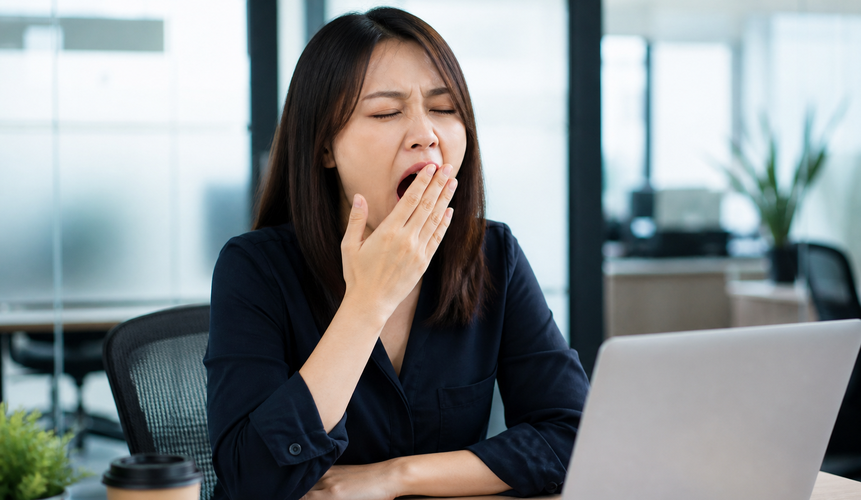
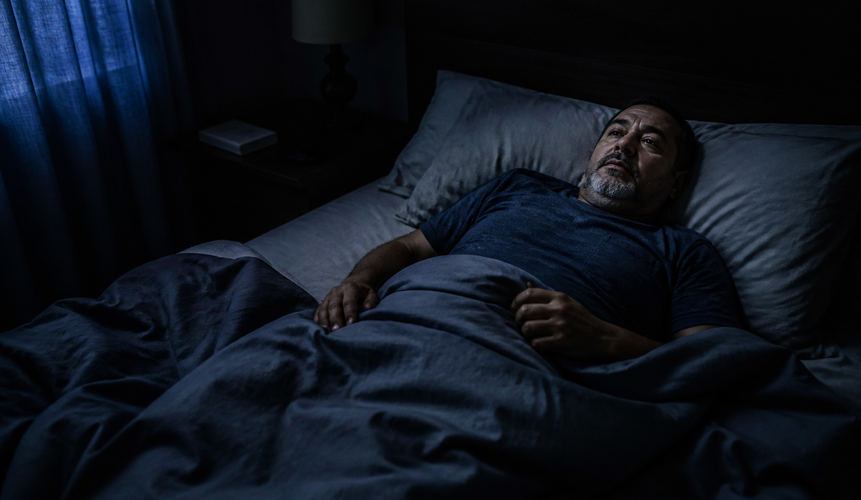
    Why sleep apnea can leave you worn out during the day

    Sleep works like a recharge cycle. Deep sleep helps your body recover. Rapid eye movement (REM) sleep supports learning, mood, and memory. When breathing pauses pull you out of these stages, you may spend plenty of hours in bed but still do not feel rested.

    Breathing pauses can cause lower oxygen levels during sleep, which is why sleep apnea can prevent quality rest and make you feel drained the next day.7 Normally, blood oxygen levels while sleeping range from 95% to 100%.8 For people with sleep apnea, these levels can drop significantly — sometimes to lower than 88%. Your heart, lungs and brain all run on oxygen. When oxygen levels drop, your body feels it.9 Tissues can weaken, and in severe cases, cells may actually start to die.

    Over time, repeated sleep disruption can lead to symptoms like excessive daytime sleepiness, headaches and trouble staying alert.

    Symptoms of sleep apnea-related fatigue

    Sleep apnea-related fatigue can cause numerous issues that affect your whole day, not just your morning. Common symptoms include:

    • Feeling unusually sleepy during the day, even after spending enough hours in bed
    • Waking up feeling unrefreshed or groggy
    • Needing naps or struggling to stay alert while reading, working or watching TV
    • Brain fog, sluggish thinking or trouble concentrating.
    • Mood changes, such as irritability or feeling low

    If these symptoms sound familiar, sleep apnea may be the cause. Consider monitoring your symptoms to identify whether they’re unusual or frequent and talk to your doctor about your concerns.

    Why you may not realize sleep apnea is affecting your sleep

    If you were waking up throughout the night, you would know it, right? Not necessarily. With sleep apnea, many breathing pauses don’t fully wake you the way a loud noise or another disturbance might. Instead, it can cause short shifts into lighter sleep that you may not remember, making you think you slept through the night.

    Repeated sleep disruption can happen without clear memories of waking up.6 Since these nighttime wake-ups often go unnoticed, many people first realize something’s wrong when they feel groggy in the morning or unusually sleepy during the day.

    Sometimes, a bed partner will notice breathing pauses, gasping or frequent snoring before you do. Speak with your doctor if someone mentions you’re snoring or gasping during sleep or if you have excessive daytime sleepiness on a regular basis.

    Does sleep apnea cause extreme fatigue and excessive daytime sleepiness?

    Sleep apnea can cause extreme fatigue and excessive daytime sleepiness. When your sleep is disrupted again and again, your body may not get the kind of rest it needs to feel fully awake during the day.

    The American Academy of Sleep Medicine describes excessive sleepiness as trouble staying awake and alert during the main waking parts of the day.10 It also notes that about one in three adults in the U.S.A. report excessive sleepiness, which is why identifying and treating it matters.

    Some people describe it as feeling like they could fall asleep at any time, even after spending a full night in bed. If that’s happening to you, it’s a sign you should talk with a doctor.

    What is CPAP therapy?

    Continuous positive airway pressure (CPAP) therapy is designed to help people with sleep apnea breathe consistently throughout the night.11 A CPAP machine uses mild air pressure delivered through a mask to help keep your breathing airway open while you sleep. When it comes to treating sleep apnea, CPAP is the most used and most understood method.12

    Sometimes, breathing pauses continue even after obstructive sleep apnea treatment begins. This is called treatment-emergent central sleep apnea (TECSA), formerly complex sleep apnea.13 For people living with TECSA, breathing pauses continue even after sleep apnea treatment begins. Instead of airway blockage, these pauses occur because the brain doesn’t send the signal to breathe.

    Addressing sleepiness and fatigue caused by sleep apnea

    If sleep apnea is the reason behind your daytime sleepiness, a helpful step is figuring out what’s happening at night. From there, you and your doctor can discuss options that fit your needs and comfort.

    How to get diagnosed with sleep apnea

    A sleep test can help you get answers about what’s happening while you sleep.14 It can also help your doctor understand whether you have a sleep condition like sleep apnea.

    A sleep test collects information from your body as you sleep. Your doctor uses the results to determine if you have sleep apnea, and if you do, they determine if it’s obstructive or central sleep apnea. These answers help guide your treatment.

    Your results may include an apnea hypopnea index (AHI) to measure how many times your breathing slows or stops each hour and help determine the severity of your sleep apnea.

    There are two common ways to do a sleep test:15

    • A home sleep test involves a device that you take home and use while sleeping in the comfort of your own bed. It monitors your body while you sleep and sends valuable information back to your doctor.
    • A polysomnogram or polysomnography (PSG), also called an in-lab sleep study, is conducted overnight in a lab where a technician can monitor your sleep. A PSG records brain waves, blood oxygen levels, heart rate, breathing rate and eye and leg movements to help diagnose sleep disorders. Your doctor may recommend a polysomnogram if you have a more complex medical history and may benefit from more complete sleep monitoring.

    Treatment options to improve energy levels

    If you’re diagnosed with sleep apnea, treatment is about reducing breathing pauses and helping you get more quality sleep. Your doctor can help determine the best treatment option for you based on your type of sleep apnea, symptoms and comfort.

    How CPAP therapy reduces fatigue

    For many people living with obstructive sleep apnea (OSA), using continuous positive airway pressure (CPAP) therapy can reduce breathing pauses and lower the number of sleep disruptions. CPAP therapy has been shown to reduce AHI by an average of 86%.16 Research also suggests that consistent CPAP therapy can help with fatigue and energy for some people.

    One study found that using CPAP therapy for three weeks helped reduce fatigue and boost energy in people living with OSA.17 Another study showed that effective CPAP use improved sleepiness and overall quality of life.18

    If you’re on CPAP therapy and still feel sleepy, don’t assume it means the treatment isn’t working. Sometimes, things like mask fit, pressure settings or hours of use need to be adjusted by your doctor or CPAP equipment provider. One study found that daytime sleepiness doesn’t fully normalize for everyone even after several months of CPAP use, which is one reason follow-ups matter.

    In some cases, other undiagnosed sleep conditions can make CPAP therapy less effective, so it’s important to mention any issues to your doctor.

    Treatment of central sleep apnea (CSA) in adults can look different, with other options used.19 If you have CSA, your doctor may consider Adaptive Servo-Ventilation (ASV). This is a type of positive airway pressure therapy that adapts to a person’s breathing patterns.

    Lifestyle changes

    Lifestyle changes can support treatment and may help reduce breathing pauses for some people, especially with OSA. Healthy lifestyle changes can be the first step in treating sleep apnea, including:20

    • Getting regular physical activity
    • Maintaining healthy sleep habits
    • Quitting smoking
    • Limiting alcohol and caffeine
    • Adopting good sleep habits also can make a difference in your sleep quality.

    The U.S.A. Centers for Disease Control and Prevention (CDC) suggests:21

    • Keeping a steady sleep schedule
    • Making your bedroom quiet and cool
    • Turning off electronic devices at least 30 minutes before bed
    • Avoiding large meals and alcohol close to bedtime
    • Skipping caffeine in the afternoons or evenings

    Alternative treatments

    If continuous positive airway pressure (CPAP) therapy isn’t the right fit, other options may help, depending on your type of sleep apnea and its severity.

    Oral appliances may help some people with mild to moderate obstructive sleep apnea (OSA) by supporting the airway opening. Several types of oral devices for sleep apnea are custom-fit to your mouth.20

    Surgery may be considered when other treatments haven’t worked or aren’t the right fit. Surgical options for sleep apnea to help keep the airway open may include:22

    • Weight-loss surgery (treats obesity)
    • Tonsillectomy (removes tonsils)
    • Surgery to remove tissue (makes the airway larger)
    • Upper or lower jaw advancement (moves the upper or lower jaw forward)
    • Hypoglossal nerve stimulation (stimulates the nerve under your tongue)

    Long-term benefits of treating sleep apnea

    When breathing pauses are better managed, many people notice positive changes in addition to less sleepiness. Getting better sleep may improve concentration, memory and mood. Treating sleep apnea may help you feel more alert, think more clearly and have more energy throughout the day.

    Treating sleep apnea may also help lower the chance of several health problems tied to long-term fatigue and damage to your organs and blood vessels from untreated sleep apnea. Untreated sleep apnea can lead to these serious health conditions:4

    • High blood pressure
    • Heart disease
    • Diabetes
    • Obesity
    • Depression
    • Stroke
    • Kidney disease

    Overall, the long-term benefits of treating sleep apnea can include boosting your day-to-day quality of life, decreased risk of many health complications and increased life expectancy.

    When to talk with a doctor

    Sleep apnea frequently goes undiagnosed, but it’s highly treatable. Talk with a doctor if:

    • You feel sleepy on most days, even after spending a full night in bed.
    • Someone notices that you frequently snore, gasp for breath, or your breathing pauses during sleep.
    • Daytime sleepiness affects your work, driving or daily routines.

    Sleep apnea can make you feel sleepy and fatigued during the day because it can disrupt sleep repeatedly throughout the night. The good news is that diagnosis and treatment can help you get more restorative sleep that helps you feel refreshed.

    If you’re concerned about your sleep or symptoms, talk with your doctor to explore testing and treatment options. You can also take a sleep assessment to learn more about what may be affecting your sleep.

    Disclaimer

    This article is for general information and is not a substitute for medical advice. If you’re concerned about your sleep or your symptoms, talk with your doctor.

    References:
    1. Source: Sleep apnea – what is sleep apnea? | nhlbi, nih. (2025, January 9). https://www.nhlbi.nih.gov/health/sleep-apnea
    2. Source: Benjafield, Adam V., et al. “Estimation of the Global Prevalence and Burden of Obstructive Sleep Apnoea: A Literature-Based Analysis.” The Lancet. Respiratory Medicine, vol. 7, no. 8, Aug. 2019, pp. 687–98. PubMed. https://doi.org/10.1016/S2213-2600(19)30198-5
    3. Source: Sleep apnea—Symptoms | nhlbi, nih. (2025, January 9). https://www.nhlbi.nih.gov/health/sleep-apnea/symptoms
    4. Source: Slowik, J. M., Sankari, A., & Collen, J. F. (2026). Obstructive sleep apnea. In StatPearls. StatPearls Publishing. http://www.ncbi.nlm.nih.gov/books/NBK459252/
    5. Source: Malhotra A, Ayappa I, Ayas N, et al. Metrics of sleep apnea severity: beyond the apnea-hypopnea index. Sleep. 2021;44(7):zsab030. doi:10.1093/sleep/zsab030.
    6. Source: Lal C, Weaver TE, Bae CJ, Strohl KP. Excessive Daytime Sleepiness in Obstructive Sleep Apnea. Mechanisms and Clinical Management. Ann Am Thorac Soc. 2021;18(5):757-768. doi:10.1513/AnnalsATS.202006-696F.
    7. Source: Sleep apnea—Living with | nhlbi, nih. (2025, January 9). https://www.nhlbi.nih.gov/health/sleep-apnea/living-with
    8. Source: Normal oxygen levels while sleeping. (2023, June 23). Sleep Foundation. https://www.sleepfoundation.org/physical-health/what-are-normal-oxygen-levels-during-sleep
    9. Source: What is hypoxemia & who’s at risk? (n.d.). Cleveland Clinic. Retrieved August 6, 2026, from. https://my.clevelandclinic.org/health/diseases/17727-hypoxemia
    10. Source: Quinn, T. (2025, April 14). New AASM position statement highlights the clinical significance of sleepiness. American Academy of Sleep Medicine – Association for Sleep Clinicians and Researchers. https://aasm.org/position-statement-clinical-significance-sleepiness/
    11. Source: Cpap—Cpap | nhlbi, nih. (2022, March 24). https://www.nhlbi.nih.gov/health/cpap
    12. Source: Information about NICE technology appraisal guidance 139 Continuous positive airway pressure for obstructive sleep apnoea/hypopnoea syndrome. Accessed August 6, 2026. https://www.nice.org.uk/guidance/ta139/resources/continuous-positive-airway-pressure-for-obstructive-sleep-apnoeahypopnoea-syndrome-374791501
    13. Source: Treatment-emergent central sleep apnea: A unique… : Chinese Medical Journal. (n.d.). Ovid. https://doi.org/10.1097/CM9.0000000000001125
    14. Source: Worried about sleep apnea? Home-based testing is now the norm. (2020, August 21). Harvard Health. https://www.health.harvard.edu/blog/worried-about-sleep-apnea-home-based-testing-is-now-the-norm-202008212260
    15. Source: Kapur VK, Auckley DH, Chowdhuri S, et al. Clinical Practice Guideline for Diagnostic Testing for Adult Obstructive Sleep Apnea: An American Academy of Sleep Medicine Clinical Practice Guideline. J Clin Sleep Med. 2017;13(3):479-504. Published 2017 Mar 15. doi:10.5664/jcsm.6506.
    16. Source: Patil SP, Ayappa IA, Caples SM, Kimoff RJ, Patel SR, Harrod CG. Treatment of Adult Obstructive Sleep Apnea With Positive Airway Pressure: An American Academy of Sleep Medicine Systematic Review, Meta-Analysis, and GRADE Assessment. J Clin Sleep Med. 2019;15(2):301-334. Published 2019 Feb 15. doi:10.5664/jcsm.7638.
    17. Source: Tomfohr LM, Ancoli-Israel S, Loredo JS, Dimsdale JE. Effects of continuous positive airway pressure on fatigue and sleepiness in patients with obstructive sleep apnea: data from a randomized controlled trial. Sleep. 2011;34(1):121-126. Published 2011 Jan 1. doi:10.1093/sleep/34.1.121.
    18. Source: Venkatnarayan K, Devaraj U, Veluthat C, et al. The effect of CPAP therapy on excessive daytime sleepiness and quality of life in subjects with obstructive sleep apnoea: an AB design study. Sleep Breath. 2021;25(3):1351-1357. doi:10.1007/s11325-020-02237-4.
    19. Source: Treatment of Central Sleep Apnea in Adults: An American Academy of Sleep Medicine Clinical Practice Guideline. https://aasm.org/wp-content/uploads/2025/02/Treatment-of-CSA-in-Adults-CPG.pdf
    20. Source: Sleep apnea—Treatment | nhlbi, nih. (2025, January 9). https://www.nhlbi.nih.gov/health/sleep-apnea/treatment
    21. Source: Center for Disease Control. About Sleep. CDC; 2024. Accessed August 6, 2026. https://www.cdc.gov/sleep/about/index.html
    22. Source: Cpap alternatives: Sleep apnea treatments without cpap. (2021, July 7). Sleep Foundation. https://www.sleepfoundation.org/sleep-apnea/alternatives-to-cpap

    Stay in the know

    The first name field is required

    The last name field is required

    The email field is required

    Wrong email format

    Please select a Country

    Please make a selection, this field is required