Quick Takeaways
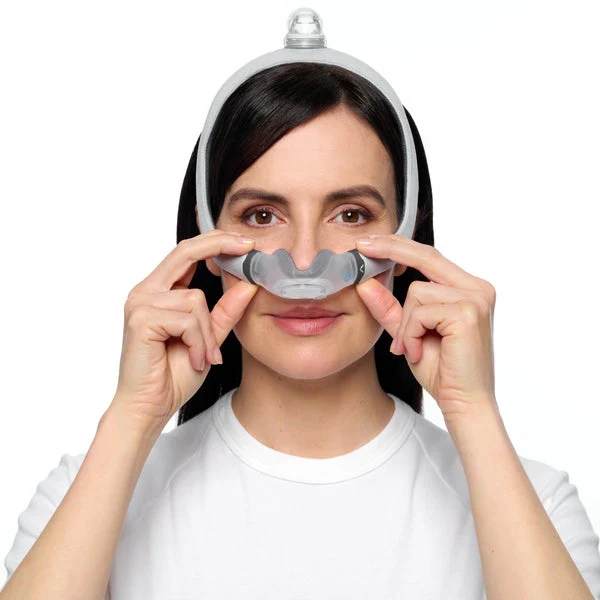
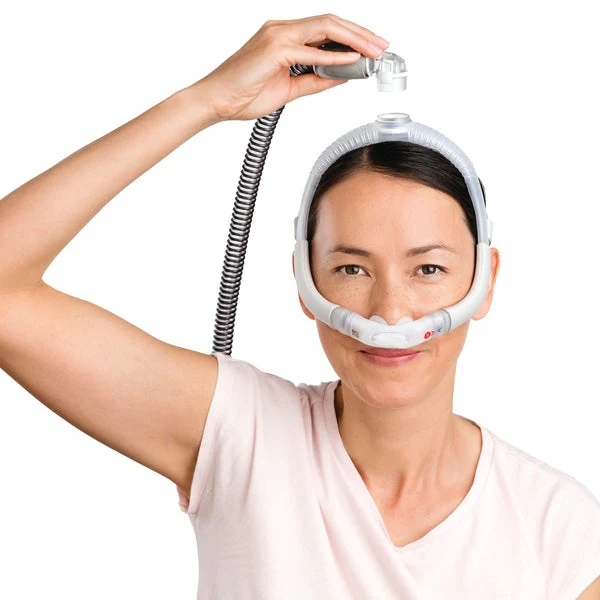
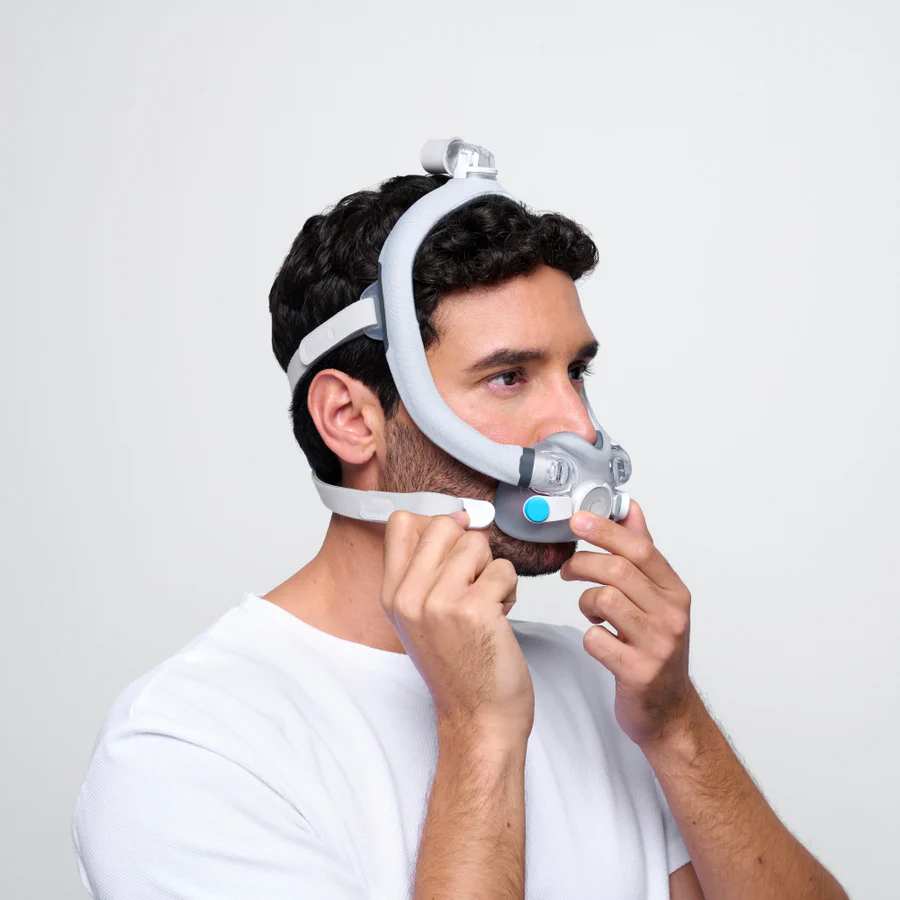
- There are three main CPAP mask types for sleep apnea: nasal, nasal pillow and full-face — plus hybrid designs that may suit different preferences.
- The right mask depends on your sleep position, breathing style and facial structure; comfort and fit can help support successful CPAP use.
- Regular cleaning, replacement and professional fittings can help keep your mask comfortable and may prevent air leaks.
- Work with your doctor or CPAP provider to find a mask that fits your lifestyle, pressure settings and comfort preferences.
Diagnosed with sleep apnea and starting continuous positive airway pressure (CPAP) therapy? One of the first steps is choosing the right mask for you. A CPAP mask allows pressurized air to flow into your airways, helping you breathe consistently while you sleep.2 The CPAP mask you choose can impact your experience, so it’s important to find one that fits your face, feels comfortable and seals well.
Keep in mind that while this article provides an overview of CPAP mask options, the best mask for each person depends on their specific needs and should be determined with a doctor.
Understanding CPAP mask types for sleep apnea
There are three main types of CPAP masks: nasal, nasal pillow and full-face. You can also get hybrid masks that are designed to suit different comfort needs or preferences.