Sleep Apnea in Veterans: VA Claims, Disability Ratings, and Support | Resmed
What can we help you find?
Search for masks, machines, accessories...

Sleep Apnea in Veterans: VA Claims, Disability Ratings, and Support

Sleep health Sleep Apnea Sleep health Sleep issues
Quick Takeaways:
  • Veterans are more likely to develop sleep apnea than the general population — often due to factors like PTSD, injuries and disrupted sleep during service.1
  • The U.S. Department of Veterans Affairs (VA) recognizes sleep apnea as a disability, with ratings ranging from 0% to 100% based on how much the condition impacts daily life and whether treatment is effective.16
  • Support networks and veteran organizations can help with filing claims, accessing equipment, and connecting to peer programs for ongoing treatment and education.
  • Obstructive sleep apnea (OSA) is common among veterans and former service members. Research suggests that veterans are 2.5 times more likely to develop OSA than members of the general population. They’re also diagnosed with the condition about 5 years earlier than those who never served in the military.1
  • Fortunately, OSA can be successfully managed with the right treatment. Recognizing the symptoms and risks of OSA, seeking advice from a healthcare professional, and connecting with community resources can empower veterans to get the support they need.
Understanding sleep apnea in veterans

Sleep apnea affects 1 billion people worldwide13, and roughly 30 million Americans.16 Veterans tend to experience sleep apnea more commonly1 than the general population. Those who’ve served in the military often experience service-related factors, such as disrupted sleep schedules, injuries and post-traumatic stress disorder (PTSD), that makes them more likely to have trouble breathing during sleep.1 By understanding what sleep apnea is and why it occurs more often in veterans, former service members can better recognize their own risk of developing this condition.

What it is and why it matters after service

Sleep apnea is a condition where breathing stops and restarts many times throughout the night. These interruptions can make it harder for your body to get enough oxygen.

Compared to the general population, veterans are considerably more likely to experience sleep disorders. In a study of nearly 10 million U.S. veterans, 9.7% had a diagnosed sleep disorder.4

There are two recognized forms of sleep apnea:

  • Obstructive sleep apnea (OSA)3: The most common form is obstructive sleep apnea, a condition where your upper airway becomes blocked repeatedly during sleep, making it harder for air to flow. These blockages can reduce or completely stop the flow of air, causing your breathing to pause throughout the night.
  • Central sleep apnea (CSA)3: This is a condition in which the brain doesn’t send signals to the muscles that control breathing, causing breathing to pause during sleep.

Treatment-emergent central sleep apnea (TECSA). TECSA, which was formerly called complex sleep apnea, is a form of CSA where your brain briefly stops sending the signals to breathe after you start CPAP therapy for OSA. Several factors can contribute to increased sleep apnea risk for veterans. For example:

  • Post-traumatic stress disorder (PTSD), a condition that affects about 7% of veterans,5 is associated with an increased risk of OSA.6
  • Traumatic brain injuries, which may be present in 25% of veterans,7 can also contribute to the risk of developing a sleep disorder.8
  • Chronic pain, which veterans have higher risk of developing, can lead to pain-related insomnia and, in some cases, opioid use.9 These types of drugs suppress respiratory function, contributing to OSA10 and poor sleep quality overall.

Sleep apnea is often linked to other chronic health issues, including diabetes, heart disease, and high blood pressure. These conditions are more common among veterans,11 which may be related to the mental and physical demands of service.
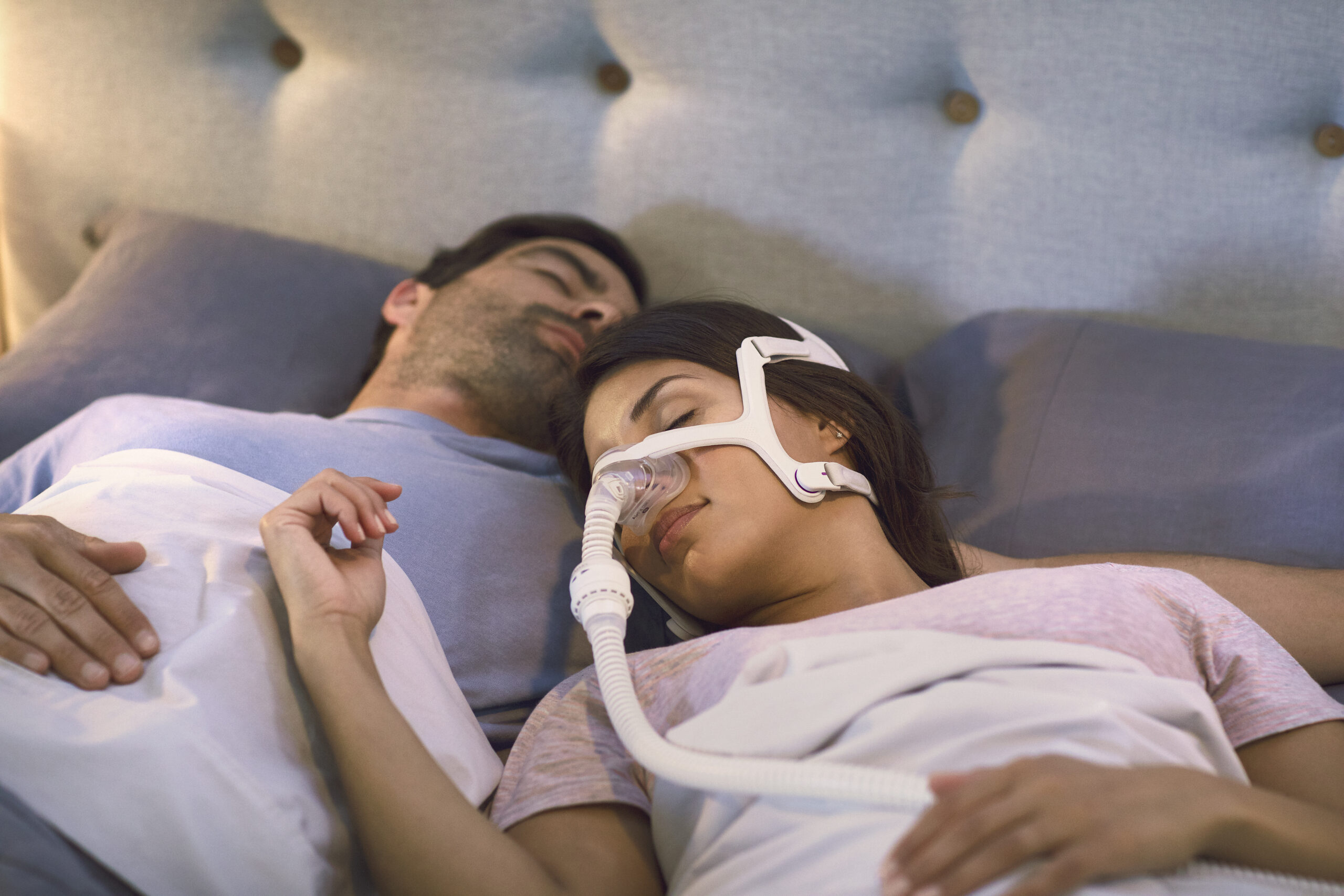
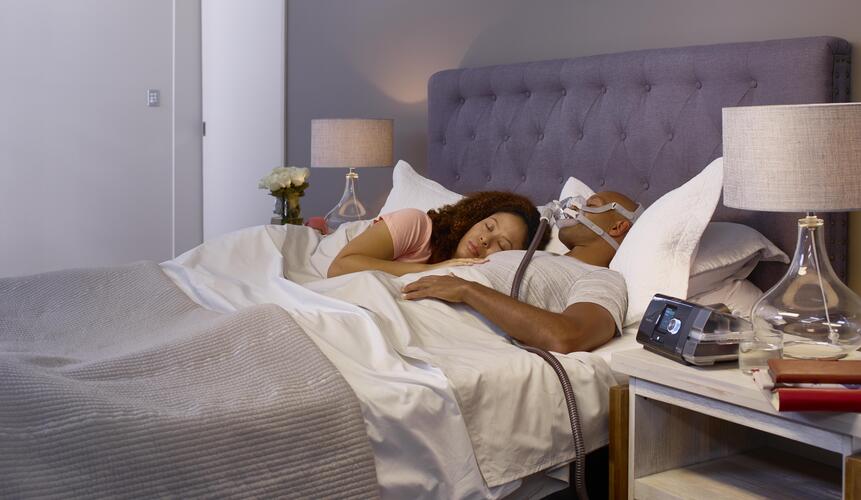
 veteran woman with sleep apnea
How common is sleep apnea for veterans?

Sleep apnea has become one of the most frequently diagnosed conditions within the VA health care system. According to the National Veteran Sleep Disorder Study, OSA diagnoses among VA participants increased 6-fold between 2000 and 2010.12 This rise likely reflects growing awareness of how common OSA is and the dangers associated with it, along with improved screening within the veteran community.

Compared to the civilian population, the rate of OSA among veterans is alarming. While between 24-33% of the general population may have sleep apnea,14 research suggests that more than half of veterans may be living with the condition.15

Care and resources for veterans with sleep apnea

Veterans with sleep apnea have access to a variety of resources to help them manage their condition. Through the Sleep Clinical Resource Hub,23 veterans can locate VA facilities that provide on-site sleep studies and see an overview of the sleep apnea services the department covers.

VA programs and benefits

Through the VA, veterans can obtain sleep services at eight facilities throughout California, Hawaii, Nevada, Wyoming and Colorado.23 Many VA medical centers have sleep clinics that conduct sleep studies and provide treatment plans. Veterans may also access support groups through local VA vet centers.24

For veterans living with obstructive sleep apnea (OSA), the VA often provides continuous positive airway pressure (CPAP) devices and supplies at little to no cost.22 CPAP therapy uses a mask that fits over your nose and/or mouth, connected to a machine that delivers a steady flow of air. This air is designed to keep your airway open and reduce breathing pauses while you sleep.

Advocacy and support networks

Veterans Service Organizations such as Veterans of Foreign Wars (AMVETS), Disabled American Veterans and American Legion can help veterans navigate the process.

Additionally, peer-to-peer sleep apnea groups such as AWAKE Peer Mentor Program can help veterans adjust to therapy.21 Other nonprofit organizations, including the Wounded Warrior Project, can support veterans navigating OSA and other sleep-related challenges.20

 sleep apnea in veterans
Living with sleep apnea after service

Military service may increase a person’s risk of developing sleep apnea. The good news? Sleep apnea is a well-understood condition with effective treatment options available. CPAP therapy, along with healthy lifestyle strategies and support, may help veterans improve their sleep and overall well-being.18

Long-term management of sleep apnea

Managing sleep apnea requires consistent treatment, which can help support long-term improvements in health and quality of life.17 Veterans who use their CPAP device and follow other prescribed therapies may experience improvements in sleep quality, daytime energy and alertness, and overall health.

Lifestyle strategies18 can support an individual’s OSA treatment plan. Maintaining a healthy weight, avoiding alcohol, and practicing a calm, consistent sleep routine may help support better rest. In some cases, veterans benefit from seeing civilian sleep specialists familiar with military service-related conditions such as PTSD or chronic pain.19

Transitioning to civilian life

As part of the discharge process, military personnel should plan on discussing any sleep-related concerns with a doctor during their final health assessment. Transition assistance program counselors can help arrange a continuity of care plan before discharge.

If you’re already getting treatment for obstructive sleep apnea (OSA), you should request that your medical records and diagnostic results be transferred to the VA healthcare system. This can help prevent disruptions in treatment.

You may also need to consider your medical needs when choosing a private or employer-based health insurance plan. This can help you maintain coverage for continuous positive airway pressure (CPAP) supplies and other treatments.

References
  1. Source: Goldstein, L. A., et al. 2024 Prevalence of Obstructive Sleep Apnea Among Veterans and Nonveterans American Journal of Health Promotion https://doi.org/10.1177/08901171241273443
  2. Source: What doctors wish patients knew about sleep apnea 2022 American Medical Association https://www.ama-assn.org/public-health/prevention-wellness/what-doctors-wish-patients-knew-about-sleep-apnea
  3. Source: Sleep apnea American Lung Association https://www.lung.org/lung-health-diseases/lung-disease-lookup/sleep-apnea
  4. Source: Alexander M et al 2016 The National Veteran Sleep Disorder Study Descriptive Epidemiology and Secular Trends 2000-2010 Sleep https://doi.org/10.5665/sleep.5972
  5. Source: PTSD National Center for PTSD 2025 U.S. Department of Veterans Affairs https://www.ptsd.va.gov/understand/common/common_veterans.asp
  6. Source: McCall C A Watson N F 2022 A Narrative Review of the Association between Post-Traumatic Stress Disorder and Obstructive Sleep Apnea Journal of Clinical Medicine https://doi.org/10.3390/jcm11020415
  7. Source: Karr J E et al 2025 Traumatic Brain injury in us veterans Prevalence and associations with physical mental and cognitive health Archives of Physical Medicine and Rehabilitation https://doi.org/10.1016/j.apmr.2024.11.010
  8. Source: Viola-Saltzman M Watson N F 2012 Traumatic brain injury and sleep disorders Neurologic clinics https://doi.org/10.1016/j.ncl.2012.08.008
  9. Source: Bennett A S et al 2022 U.S. Military veterans and the opioid overdose crisis A review of risk factors and prevention efforts Annals of Medicine https://doi.org/10.1080/07853890.2022.2092896
  10. Source: Freire C Sennes L U Polotsky V Y 2022 Opioids and obstructive sleep apnea Journal of Clinical Sleep Medicine https://doi.org/10.5664/jcsm.9730
  11. Source: Finnegan A Salem K 2024 Comparative study of hypertension diabetes dementia and smoking in military veterans and non-veterans BMJ Military Health https://doi.org/10.1136/military-2024-002817
  12. Source: Lyons MM Bhatt NY Pack AI Magalang UJ 2020 Global burden of sleep-disordered breathing and its implications Respirology https://doi.org/10.1111/resp.13838
  13. Source: Watson N et al 2025 Prevalence and unmet need of obstructive sleep apnea in the United States Sleep https://doi.org/10.1093/sleep/zsaf090.0637
  14. Source: Ulmer C et al 2021 Prevalence of insomnia disorder and sleep apnea in a sample of veterans at risk for cardiovascular disease Journal of Clinical Sleep Medicine https://doi.org/10.5664/jcsm.9228
  15. Source: Berg Sara 2025 What Doctors Wish Patients Knew About Sleep Apnea American Medical Association https://www.ama-assn.org/public-health/prevention-wellness/what-doctors-wish-patients-knew-about-sleep-apnea
  16. Source: Benjafield Adam V et al 2025 Positive Airway Pressure Therapy and All-Cause and Cardiovascular Mortality in People with Obstructive Sleep Apnoea The Lancet Respiratory Medicine https://doi.org/10.1016/S2213-2600(25)00002-5
  17. Source: Adult Obstructive Sleep Apnea Task Force 2009 Clinical Guideline for the Evaluation Management and Long-term Care of Obstructive Sleep Apnea in Adults Journal of Clinical Sleep Medicine https://www.ncbi.nlm.nih.gov/pmc/articles/PMC2699173/
  18. Source: Talking Sleep Sleep Disorders in Military Veterans American Academy of Sleep Medicine https://aasm.org/talking-sleep-sleep-disorders-in-military-veterans/
  19. Source: Physical health and wellness 2025 Wounded Warrior Project https://www.woundedwarriorproject.org/programs/physical-health-wellness
  20. Source: AWAKE peer mentor program 2025 Wellness Sleep and Circadian Network https://www.sleephealth.org/wscn/awake-peer-mentor-program/
  21. Source: Order medical supplies 2025 U.S. Department of Veterans Affairs https://www.va.gov/health-care/order-medical-supplies/#order-hearing-aid-and-cpap-sup
  22. Source: VISN 21 sleep clinical resource hub U.S. Department of Veterans Affairs https://department.va.gov/integrated-service-networks/wp-content/uploads/sites/24/2024/08/Sleep-Clinical-Resource-Hub.pdf
  23. Source: Find VA locations U.S. Department of Veterans Affairs https://www.va.gov/find-locations/

Stay in the know

Be among the first to hear all the latest news and developments.

The first name field is required

The last name field is required

The email field is required

Wrong email format

Please select a Country

Please make a selection, this field is required