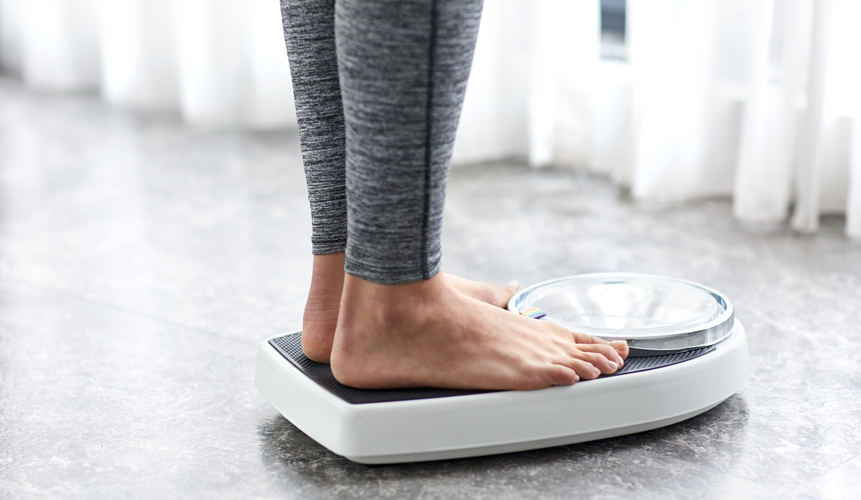
There are many risk factors for sleep apnea, including excess weight.1 But can losing a few pounds help reduce your symptoms or even cure your sleep apnea? We’ve answered some of your burning questions on sleep apnea and weight loss.
What is sleep apnea?
Sleep apnea is a common condition that causes lapses in your breathing while you rest.2 These lapses prevent your body from getting enough oxygen. To help you start breathing again, your brain sends a signal to wake up and breathe. This repeated cycle can leave you feeling exhausted even after a full night of sleep.
How Sleep Apnea Impacts Your Health
Sleep apnea can lead to several health problems. For example, research has found links between this condition and the development of Type 2 diabetes.3 When you get too little sleep, it’s harder for your body to use insulin properly. At the same time, sleep apnea can also make your body release more of a hormone called “ghrelin.”4 Ghrelin makes you crave sweets and carbs, increasing your risk of obesity. Obesity can not only make sleep apnea worse but also contribute to the development of Type 2 diabetes. If you have sleep apnea, you may also have irregular liver function.5 Your liver may even show signs of scarring.
Sleep apnea also puts you at a higher risk of developing metabolic syndrome.6 This common condition, which is associated with high blood sugar levels, high blood pressure and abnormal cholesterol levels, makes you more likely to suffer from cardiovascular disease. The sudden drops in oxygen levels during sleep put a significant amount of stress on your heart. If you already have heart disease, sleep apnea can make it worse.7
How is sleep apnea linked to obesity?
Obesity is commonly associated with sleep apnea, and untreated sleep apnea may contribute to weight gain.8 In fact, people who are sleep-deprived may consume up to an additional 385 calories per day compared to people who receive adequate sleep,9 while studies have found an association between better sleep and greater weight loss.1011
The Role of Excess Weight
Excess weight can increase your chances of developing obstructive sleep apnea.12 Having more fatty tissue8 around your neck, chest and upper airways means that when your body relaxes during sleep, your breathing can become obstructed.
Excess weight also reduces lung capacity and may lead to respiratory compromise. Your entire body can have higher rates of inflammation if you have excess weight,13 further impacting your breathing.