What is obstructive sleep apnea (OSA)?

Obstructive sleep apnea (OSA) is a debilitating and often life-threatening medical condition. It is the most common type of sleep apnea.

When a healthy person sleeps, the muscles of the upper part of the throat allow air to flow into the lungs. However, when a person with OSA falls asleep, these muscles are not able to keep the air passage open all the time. When the airway closes, breathing stops, oxygen levels fall, and sleep is disrupted in order to open the airway.

The disruption of sleep usually lasts only a few seconds. However, these brief arousals interfere with sleep and prevent people with OSA from reaching the deep stages of sleep, such as rapid eye movement (REM) sleep, which the body needs in order to rest and replenish its strength. Once breathing is restored, people with OSA fall asleep only to repeat the cycle throughout the night.


What causes OSA?

The exact cause of OSA remains unclear. Generally, sleep apnea happens when enough air cannot move into your lungs while you are sleeping. When you are awake, and normally during sleep, your throat muscles keep your throat open so that air can flow into your lungs. However, with obstructive sleep apnea the throat briefly collapses, causing pauses in your breathing. With pauses in breathing, your oxygen level in your blood may drop. Ingestion of alcohol and sleeping pills may increase the frequency and duration of breathing pauses in people with sleep apnea.


Who is at risk for OSA?

Risk factors for OSA include:

  • Obesity
  • Family history of OSA or snoring
  • A small upper airway (large tongue, large uvula, recessed chin)
  • Excess tissue in the throat and/or soft palate
  • Aging (the loss of muscle mass is a we get older)
  • Men appear to be at greater risk than women


It is important to note, however, that healthy men, women and children of all ages may suffer from OSA.


Other predisposing factors associated with obstructive sleep apnea include:

  • Use of alcohol
  • Use of sedative drugs (that relax the muscles surrounding the upper airway)
  • Smoking (which can cause inflammation, swelling and narrowing of the upper airway)
  • Medical conditions such as hypothyroidism, acromegaly and even nasal congestion


What are the symptoms of OSA?

Symptoms include:

  • Loud snoring
  • Periods of not breathing (apnea)
  • Awakening not rested in the morning
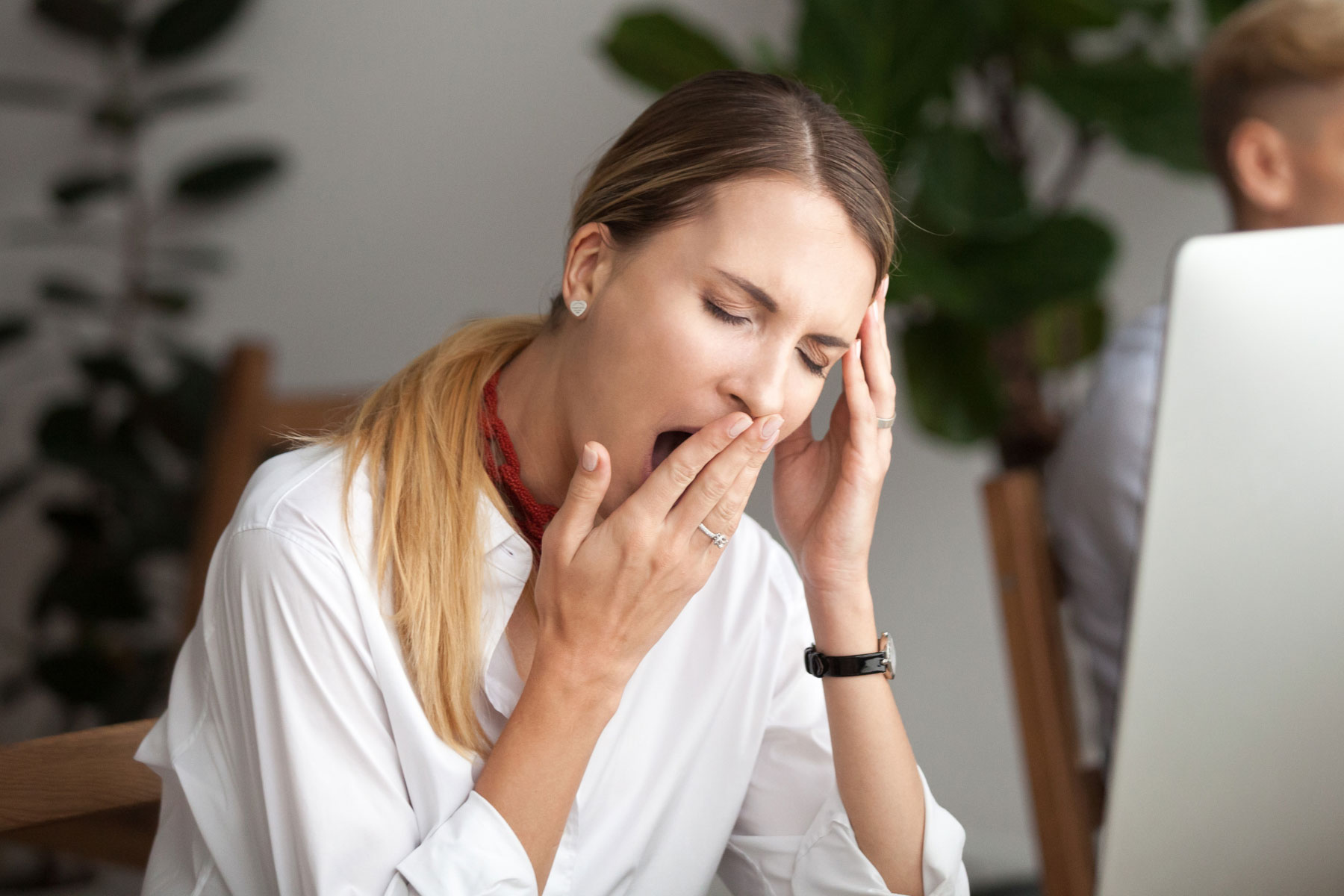
  • Abnormal daytime sleepiness, including falling asleep at inappropriate times
  • Morning headaches
  • Weight gain
  • Limited attention
  • Memory loss
  • Personality changes
  • Lethargy


Take the self-test


What are the long-term effects of untreated OSA?

Research suggests that OSA is a major contributing factor in the development of hypertension, or high blood pressure. Data from a 2003 study in The New England Journal of Medicine reveals that "sleep-disordered breathing is likely to be a risk factor for hypertension and consequent cardiovascular morbidity in the general population." Although many patients with OSA have clear symptoms of hypertension, as many as 90 percent of cases are undiagnosed. In studies in which blood pressure was measured following treatment for obstructive sleep apnea, daytime and nighttime blood pressure levels were found to decrease significantly. This decrease in blood pressure may also reduce the likelihood of cardiovascular complications.


The apneas and hypopneas associated with obstructive sleep apnea decrease oxygen levels and increase carbon dioxide levels in the blood. As these levels become more extreme, sufferers begin to struggle for air — in essence suffocating — which causes them to wake up briefly and start breathing again. During each apnea, the stress on the body leads to an increase or irregularity of the heart rate and increased blood pressure. According to recent medical research, the stress caused by these irregular apneas may increase the risk for developing high blood pressure, cardiac arrhythmias and heart failure. In fact, according to a 2003 study in The New England Journal of Medicine, OSA sufferers have significantly increased odds of having heart failure.


People with obstructive sleep apnea often feel very sleepy during the day, which has a negative impact on their concentration and daytime performance. Long-term effects of OSA include depression, irritability, sexual dysfunction, learning and memory difficulties, and falling asleep while at work, on the phone or driving. In fact, studies show that sleep deprivation can lower a person's quality of life and increase the risk for accidents.


How is OSA diagnosed?

Diagnosis of OSA should be made by a primary care physician, pulmonologist, neurologist or other physician with specialty training in sleep disorders. Diagnosis is not simple because there can be many different reasons for disturbed sleep. In addition to a complete medical history and physical examination, diagnostic procedures for obstructive sleep apnea may include a sleep history and evaluation of the upper airway.


Polysomnography is the most common test used to determine if obstructive sleep apnea is present. Sometimes, simpler portable diagnostic procedures could be used to diagnose OSA. However, if the test doesn’t confirm OSA in a symptomatic patient, a full polysomnography test will need to be performed. A polysomnography patient sleeps in a laboratory overnight. While the patient sleeps, the polysomnography records body functions such as eye movement, muscle activity, heart rate, respiration, blood oxygen levels, airflow and the electrical activity of the brain. This information is then gathered and evaluated.


What treatments are available for OSA?

OSA is most commonly treated with non-surgical approaches such as:

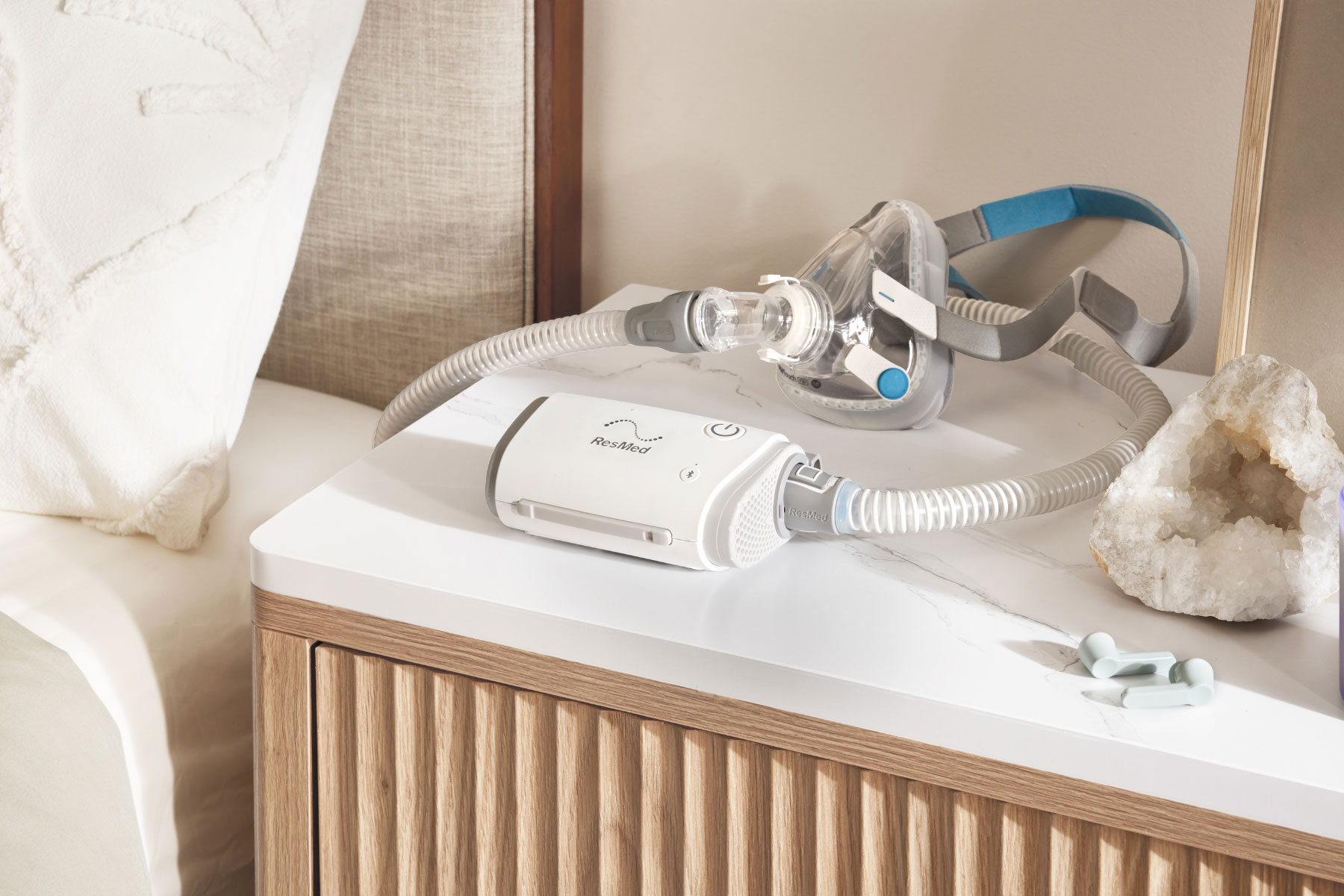
  • Continuous positive airflow pressure (CPAP): the most common and noninvasive treatment for OSA. It involves wearing a mask that supplies a steady stream of air through the nose during sleep. The airflow keeps the upper airway open, like a "splint." It is an ongoing treatment
  • Weight loss: a weight loss of even 10 percent can reduce sleep apnea significantly
  • Changing sleep habits: for some people, sleeping on one’s side instead of on one’s back can reduce sleep apnea
  • Behavior modification: subtle changes such as avoiding sedatives and alcohol can sometimes help
  • Less commonly, there are a range of surgical proceudres that may assist


©2000-2013 ResMed. All rights reserved.