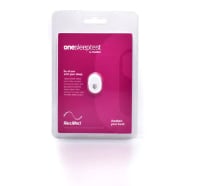
Take our online sleep assessment today

Did you know, 3/10 men and 1/5 women have sleep apnea.1 Learn more about your sleep today, it only takes a few minutes.










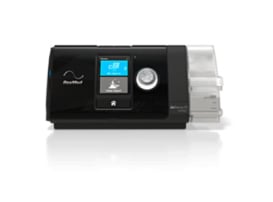
A premium auto-adjusting obstructive sleep apnea machine with advanced features for your sleeping comfort.
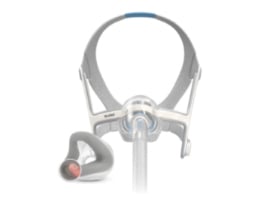
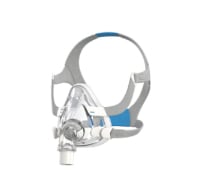
Designed to fit any face shape or size, the AirFit N20 moves comfortably with you through the night.
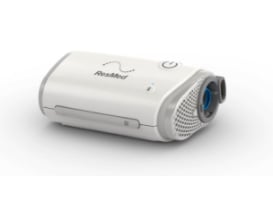
Small, Smart, Proven - Suitable for use at home or while you’re away. You’ll never have to choose between therapy performance and freedom again.

Enjoy free shipping Australia wide on all orders.

We’re here to help you get the sleep you deserve.

You can rest assured that we use best-in-class security to process your payments

Chat to our friendly staff at your local ResMed store or authorised dealer.