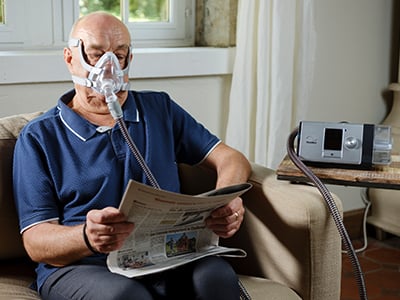
AirFit 30 Series CPAP masks help patients to rediscover their freedom. They're under-the-nose, ultra-compact and designed for everyday life,helping your patients to rediscover natural sleep without compromising on fit or comfort.


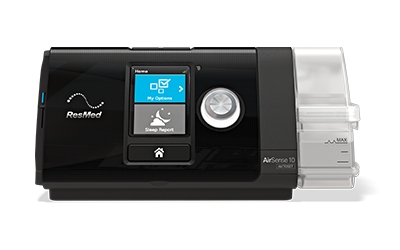
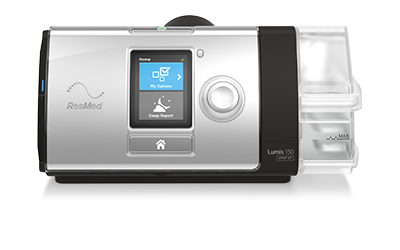
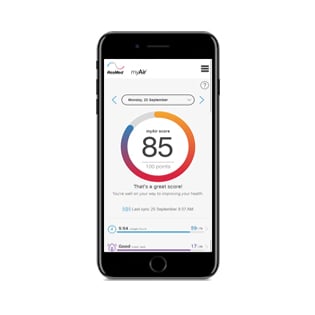
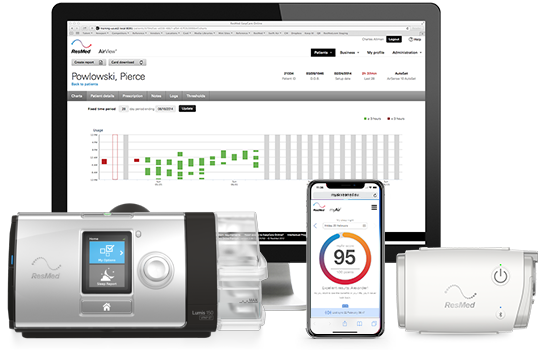
We’re proud to be at the forefront of connected health – a healthcare management model that integrates digital technologies to improve outcomes for both patients and care providers.
AirFit 30 Series CPAP masks help patients to rediscover their freedom. They're under-the-nose, ultra-compact and designed for everyday life,helping your patients to rediscover natural sleep without compromising on fit or comfort.
Review of clinical studies on the treatment of hypercapnic COPD patients with home NIV.

A library of videos in topics surrounding sleep health.

Enrol in our free online courses for continuing education.


.png)